
My name is Kate and in my late forties, I was born with a rare genetic disorder called Hypomelanosis Ito Syndrome, known as incontinentia pigmenti achromians, is a rare disorder characterized by a whorled pattern of light patches on the skin. I associated it with issues between the eyes and the toes.
I have had various different types of epilepsy since I was born. I used to have Grand – Mal. I had a period in my life when I didn’t have any epilepsy at all from the age of 13 upto the age of 28, when it struck me again with consistent dizzy spells. The doctors prescribed me a course of medication, but unfortunately that didn’t work.
Over a period of time, thereafter, I suffered from “leg tremors” which would tire me out and did not know how long they would last for. Shockingly it only happened in one leg and this was in 2009 and that was only for 6 months then, it all stopped just like that.
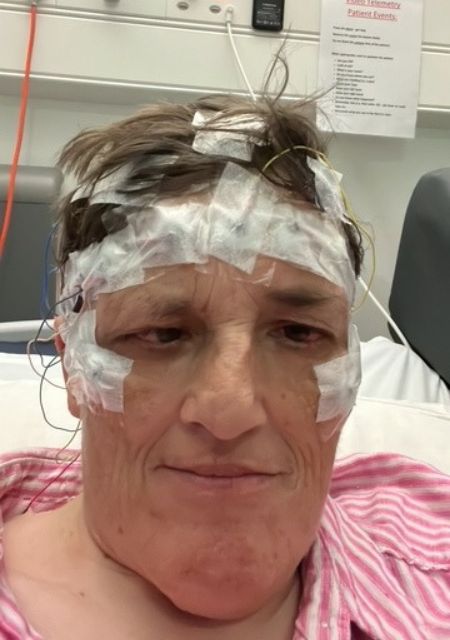
On February 29th At the start of lockdown in 2020 I had dizzy spells for 3 weeks before I started having “drop attacks” on February 29th (as it was a leap year) I thought I may had tripped up over something but these drop attacks were getting more frequent and severe. I was told by my neurology team to log everything as soon as they happen. I have a brother and sister who don’t have epilepsy at all or any conditions.
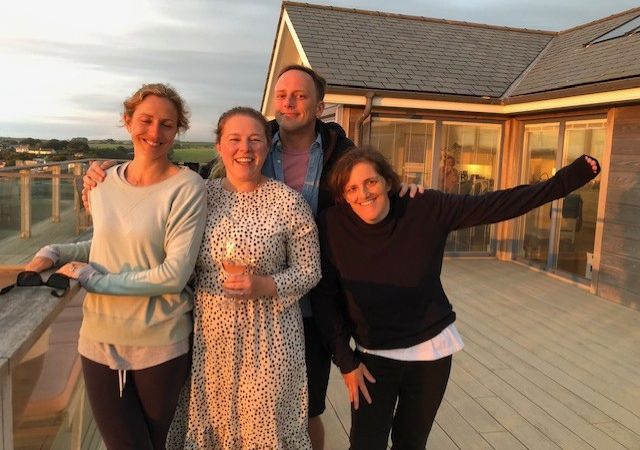
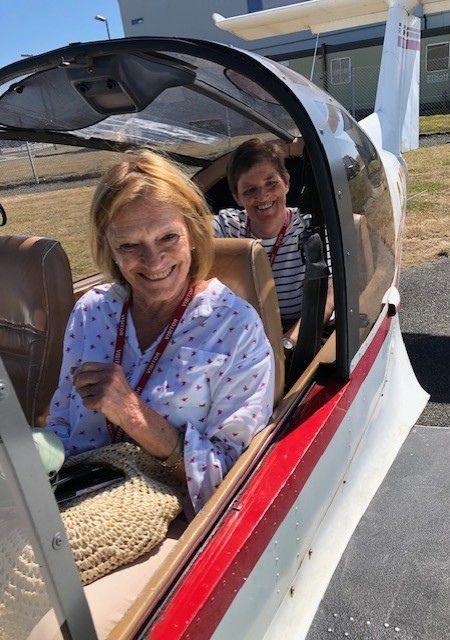
Epilepsy has affected my family as much as it has me as my family have become so much in control over me I feel that I should stay inside to make them happy but not me. I’ve tried all the medicines I can and sadly no medicines work as of yet. I have lived on my own for 30 years and despite my family limitations placed on me I ignore them because I don’t believe in being born then being told to stay home because of my condition.
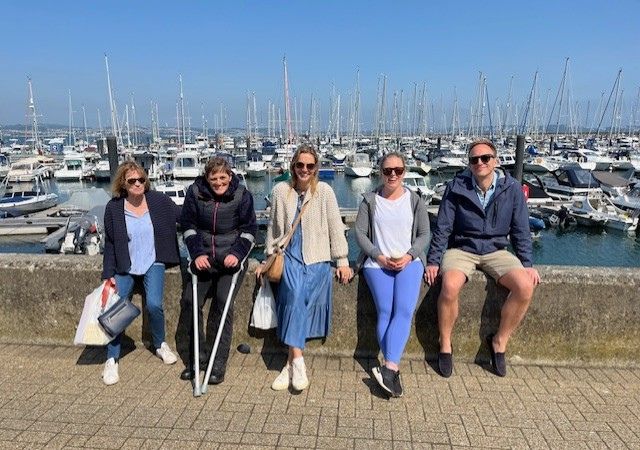
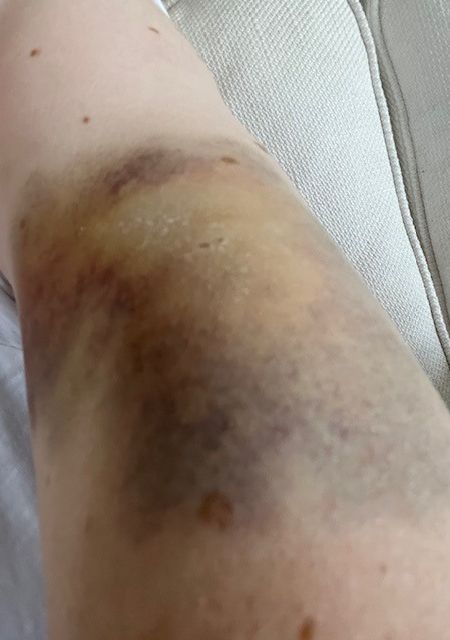
My epilepsy is called the “unannounced visitor” as it never signs the visitors book and leaves damages on me. Peoples perspective on epilepsy is “horrendous” as I’ve been told to stop throwing tantrums when actually I’m convulsing on the floor. Also the strangest thing is that I always land in the “recovery position” and on one particular side as well. Over the course of 5 years I’ve had 60 odd “drop attacks” whilst using crutches. I’m also a medic alert member so I have help on my wrist. I must say I’ve been pretty lucky that I’ve not broken a bone yet but my teams keep an eye on me.
I think that all medical places should display posters about what to do if someone does have ANY medical episode as people say there trained but actually during the course of me having seizures people have always been keen to feed me or ask me to drink water – not knowingly realise that I could or for that matter anyone could go into another episode and it be 10x times worse and they could end up thinking that they have done their best but actually the worst thing is that peoples intentions could be harmful then reassuring.