.cls-1 { stroke: #b197bf; } .cls-1, .cls-2, .cls-3, .cls-4, .cls-5, .cls-6, .cls-7, .cls-8, .cls-9, .cls-10, .cls-11, .cls-12, .cls-13, .cls-14, .cls-15, .cls-16, .cls-17, .cls-18, .cls-19, .cls-20, .cls-21, .cls-22, .cls-23, .cls-24, .cls-25, .cls-26, .cls-27, .cls-28, .cls-29, .cls-30, .cls-31, .cls-32 { fill: none; stroke-miterlimit: 10; stroke-width: .5px; } .cls-2 { stroke: #e6e1eb; } .cls-3 { stroke: #cbbbd4; } .cls-4 { stroke: #d7cddf; } .cls-5 { stroke: #b59cc2; } .cls-6 { stroke: #c3b0ce; } .cls-7 { stroke: #bea9ca; } .cls-8 { stroke: #bca6c8; } .cls-9 { stroke: #dfd7e5; } .cls-10 { stroke: #d0c2d9; } .cls-11 { stroke: #af94be; } .cls-12 { stroke: #e8e4ec; } .cls-13 { stroke: #c0abcb; } .cls-14 { stroke: #e2dce8; } .cls-15 { stroke: #d4c8dc; } .cls-16 { stroke: #ccbdd6; } .cls-17 { stroke: #e4dfe9; } .cls-18 { stroke: #d6cadd; } .cls-19 { stroke: #c7b6d1; } .cls-20 { stroke: #d2c5da; } .cls-21 { stroke: #e1dae6; } .cls-22 { stroke: #b8a1c5; } .cls-23 { stroke: #c1aecd; } .cls-24 { stroke: #c9b8d3; } .cls-25 { stroke: #baa3c7; } .cls-26 { stroke: #cec0d7; } .cls-27 { stroke: #c5b3d0; } .cls-28 { stroke: #d9cfe0; } .cls-29 { stroke: #b69ec4; } .cls-30 { stroke: #ddd5e3; } .cls-31 { stroke: #dbd2e2; } .cls-32 { stroke: #b399c1; }

Equipment and
Aids

There is a wide range of equipment and aids designed to support daily living and improve quality of life for people affected by epilepsy.

Elderly woman with epilepsy using mobility support equipment rails at home for safety and independence
0 %
feel a lack of information and resources are barriers to accessing support or treatment they need
Horizontal bar chart infographic illustrating epilepsy percentage statistics
0 %

of people with epilepsy experience stigma, ranging from subtle biases to significant misunderstanding.

Circular chart infographic displaying epilepsy statistics
0  in 3
Nearly 2 in 3 people emphasise the urgent need for more community support and understanding to improve their quality of life
Infographic showing three human figures representing people affected by epilepsy
Categories
Categories
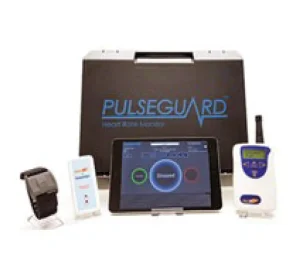
Adris Technologies (PulseGuard)

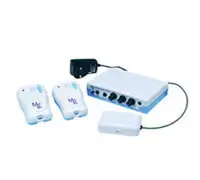
PulseGuard is an alarm system developed by the Perry family for their son, who has Dravet Syndrome. The system detects bed seizures through a sensor which monitors blood flow and heart rate.

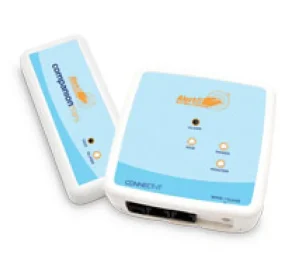
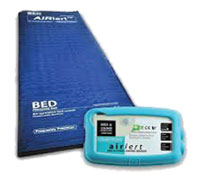
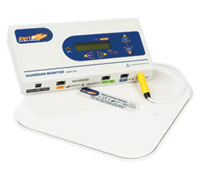
Alert-it Care Alarm Technology

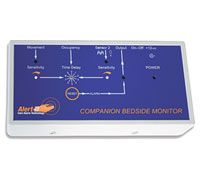
Manufacture a range of monitors and alarms, including bed alarms, and sensors and personal alarms.

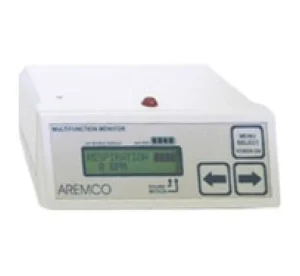
Aremco

Provide epilepsy bed seizure alarms and fall detector alarms. Advice available. Different types or detectors can be linked to the basic alarm unit. A trial period may be available.

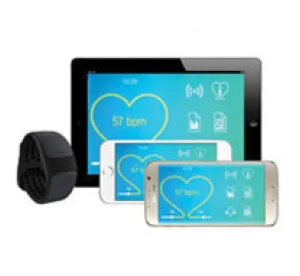
Brio

An innovative monitor that detects changes in your heart rate that may indicate a seizure.

EasyLink Electronics

Manufacture an automatic fall call detector and bed seizure alarms with pagers. Advice is available.

Epdetect

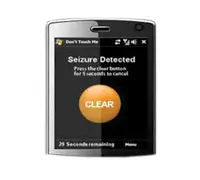
Mobile phone app that uses advanced signal process to detect epileptic seizures.

Frequency Precision Ltd

Manufacture a bed sensor (the Frequency Precision seizure monitor) that links to a pager alarm or existing nurse call system.

Possum Telecare

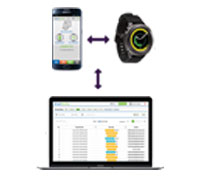
Supply a range of ‘Electronic Assistive Technology’ alarm systems, including bed seizure alarms and an epilepsy sensor, worn on the wrist.

Loading