
Epilepsy
Medical Card
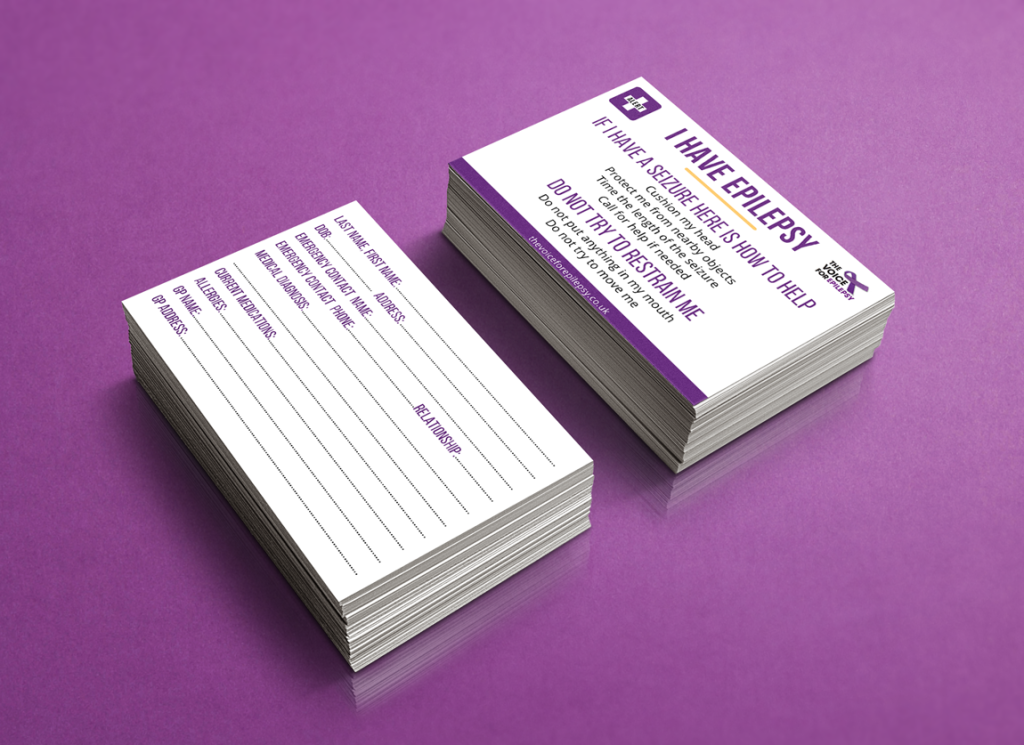
Many people with epilepsy choose to carry a medical information card to share key health details quickly and clearly if they need help.
0
%
feel a lack of information and resources are barriers to accessing support or treatment
they need

0
%
of people with epilepsy experience stigma, ranging from subtle biases to significant misunderstanding.

0
in 3
Nearly 2 in 3 people emphasise the urgent need for more community support and understanding to improve their quality of life

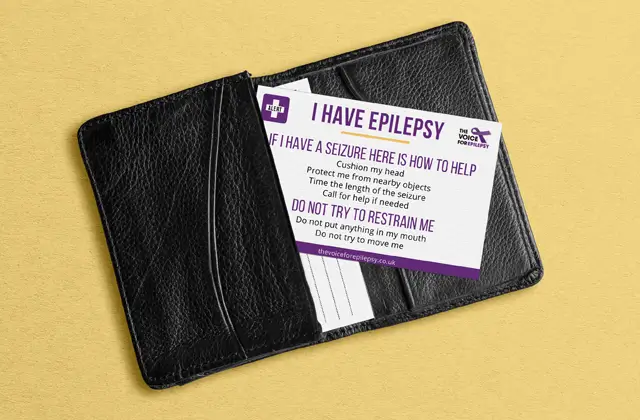
Keep your Epilepsy Medical Information Card with you to help first responders,paramedics, doctors, teachers, even friends in case of an emergency.
Plus this card contains your emergency contacts information, so your loved ones can be notified in the event of an emergency.
Print Your Epilepsy Medical Information Card Free
The Epilepsy Medical Information Card is a personalized printed card, so you don’t have to worry about your handwriting.
The card will provide first responders with important details about you such as your name, date of birth, medical condition, allergies, medications, emergency contacts, GP, and your home address.
1. Fill in the card
To zoom in, press the plus sign (+) or click on Automatic Zoom to view other size options. You can click on View Fullscreen as well.
2. Print or download your free card
Once completed, click on the print icon. For other options, click on the arrows on the top right hand side. Using a thicker paper or laminating your card is recommended to make it last longer. You can either print the card double sided or separated.
3. Cut your card
Once printed, simply cut out the card.
4. Keep it in your wallet or purse
Make sure to carry your Epilepsy Medical Information Card everywhere you go. You can keep it in your wallet or purse or use a ticket wallet holder which is ideal if you printed your card front and back separately.
Share this FREE Epilepsy Medical Information Card to your friends & family!
Facebook
Twitter
LinkedIn
WhatsApp
Pinterest
Email

Help change
lives today
Few people are actually willing to step up and talk
about Epilepsy. We need to make the world aware
of the impact Epilepsy has on so many and find a
cure. Without a cure, there are far too many people
who will never have relief from seizures.