.cls-1 { stroke: #b197bf; } .cls-1, .cls-2, .cls-3, .cls-4, .cls-5, .cls-6, .cls-7, .cls-8, .cls-9, .cls-10, .cls-11, .cls-12, .cls-13, .cls-14, .cls-15, .cls-16, .cls-17, .cls-18, .cls-19, .cls-20, .cls-21, .cls-22, .cls-23, .cls-24, .cls-25, .cls-26, .cls-27, .cls-28, .cls-29, .cls-30, .cls-31, .cls-32 { fill: none; stroke-miterlimit: 10; stroke-width: .5px; } .cls-2 { stroke: #e6e1eb; } .cls-3 { stroke: #cbbbd4; } .cls-4 { stroke: #d7cddf; } .cls-5 { stroke: #b59cc2; } .cls-6 { stroke: #c3b0ce; } .cls-7 { stroke: #bea9ca; } .cls-8 { stroke: #bca6c8; } .cls-9 { stroke: #dfd7e5; } .cls-10 { stroke: #d0c2d9; } .cls-11 { stroke: #af94be; } .cls-12 { stroke: #e8e4ec; } .cls-13 { stroke: #c0abcb; } .cls-14 { stroke: #e2dce8; } .cls-15 { stroke: #d4c8dc; } .cls-16 { stroke: #ccbdd6; } .cls-17 { stroke: #e4dfe9; } .cls-18 { stroke: #d6cadd; } .cls-19 { stroke: #c7b6d1; } .cls-20 { stroke: #d2c5da; } .cls-21 { stroke: #e1dae6; } .cls-22 { stroke: #b8a1c5; } .cls-23 { stroke: #c1aecd; } .cls-24 { stroke: #c9b8d3; } .cls-25 { stroke: #baa3c7; } .cls-26 { stroke: #cec0d7; } .cls-27 { stroke: #c5b3d0; } .cls-28 { stroke: #d9cfe0; } .cls-29 { stroke: #b69ec4; } .cls-30 { stroke: #ddd5e3; } .cls-31 { stroke: #dbd2e2; } .cls-32 { stroke: #b399c1; }

Kathleen’s Story

From a daughter's perspective

May 21st to May 26th 2026

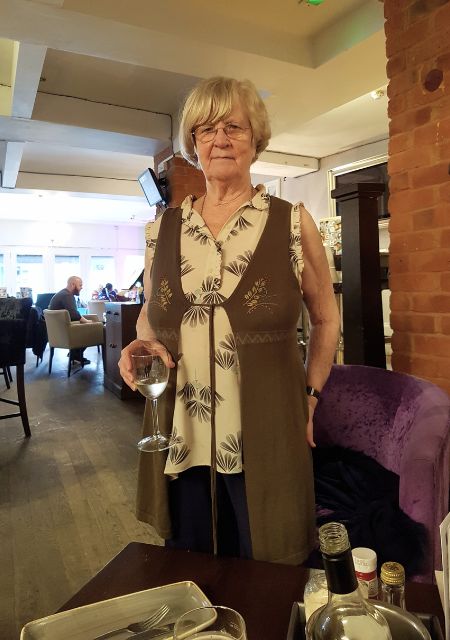
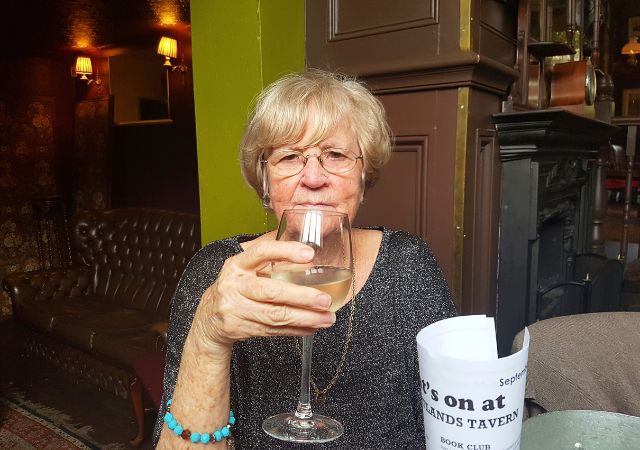
Kathleen enjoying a night out at theatre living life with epilepsy and sharing her personal story
Fundraising
There are various ways for you to help raise funds towards our mission to suppport epilepsy awareness. We have list some suggestions below and you’re also more than welcome to contact me for more details or advice.
Help Us Raise
Epilepsy Awareness
If you, or a family member or a friend has been affected by epilepsy, please donate however much you can so that we can raise the awareness of epilepsy to the public on a national level.
Become a Volunteer
The charity relies heavily on support from individuals who donate their time voluntarily to work in either of the charity shops or to assist with our fundraising projects and events.

Seizures in elderly people

My mum Kathleen was diagnosed with age-related epilepsy in her late seventies. When she had her first seizure, it was a huge shock for her and the rest of the family as she’d always been healthy. Although her seizures were mainly tonic-clonic, she did occasionally have absence seizures and would stare into the distance silently.

What surprised me the most was that her seizures weren’t the dramatic ones with flailing limbs that I’d seen on TV. In fact, the after-effects were often far worse than the seizure itself as she’d be confused for days, mistaking me for other people, and saying things that were totally out of character.

At first, my mum didn’t like to talk about her condition. Despite becoming more open, she always preferred to say she’d had ‘a bit of a do’, rather than a seizure. As well as the physical effects of epilepsy, her seizures definitely undermined her confidence. She worried about going out alone and became more reluctant to do simple things such as going to the supermarket or staying with friends.
After she became unwell, I moved in with her to help around the house. The first time I witnessed her have a seizure was terrifying and all I could think to do was call an ambulance. Even though I’d read up about seizure first aid, I totally froze. When the paramedics arrived at 2am, I was standing at the bottom of the stairs sobbing and could barely explain what had happened.

Over the years, I did become more confident in dealing with her seizures but wish I’d had better training in how to offer first aid. Because she tended to have several seizures in a row, I frequently needed to call an ambulance in the middle of the night. Often the paramedics would ask me if I thought she should go into the hospital, which felt like a huge amount of pressure and I worried I’d make the wrong decision.

Having had this experience, I am really passionate about the need for better education about what people should do if they see someone having a seizure. For me, it’s shocking that seizure first aid and basic CPR aren’t a compulsory part of an employee’s training whenever they start a new job.
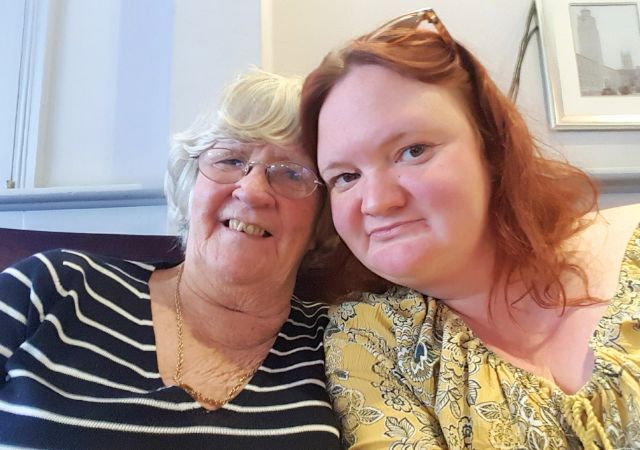
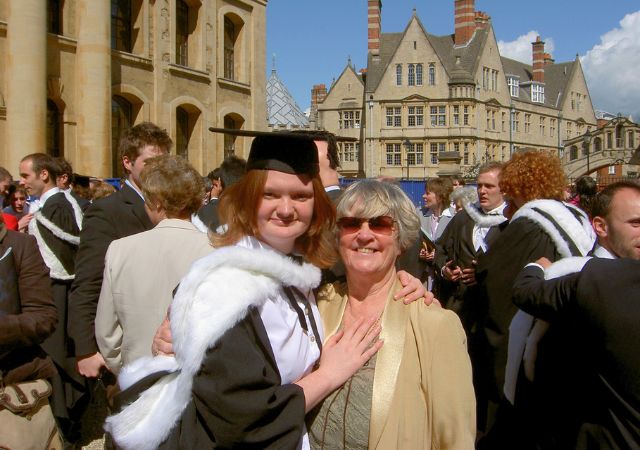
About five years after my mum’s diagnosis, she died of a blood clot she’d acquired in the hospital while on a ventilator after some particularly nasty seizures. It was three days after her 84th birthday.

In the days after she died, I kept thinking about something a good friend said to me when she was first diagnosed. He told me to be grateful that epilepsy isn’t a life-threatening condition. He was trying to be kind and, like a lot of people, just didn’t know how serious epilepsy can be.
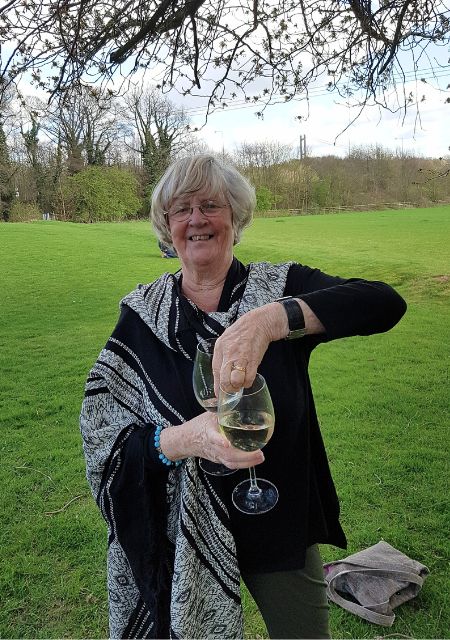
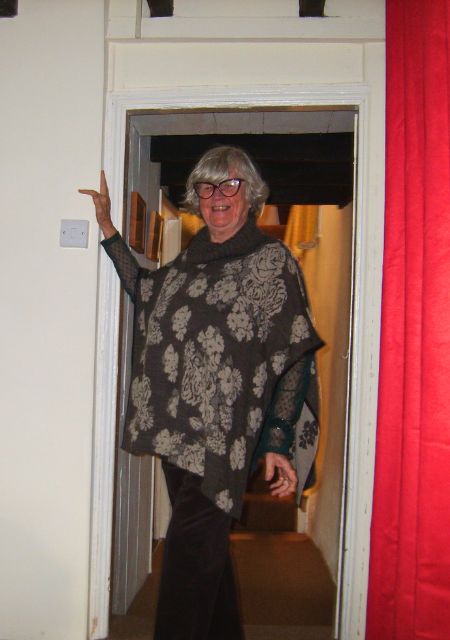
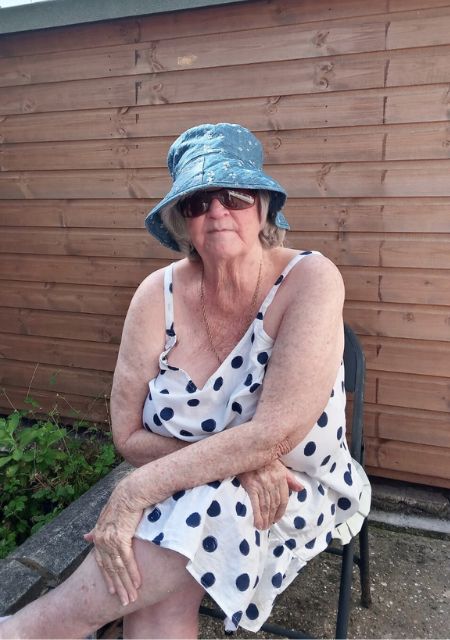
Kathleen outdoors enjoying life in garden park sharing her epilepsy journey and positive outlook

I don’t want our story to sound scary, and it’s brilliant that so many people have their seizures controlled by medication. However, I wish there was a better understanding that this isn’t true for everyone with epilepsy. For people like my mum, epilepsy can have very serious complications, as well as impacting every aspect of their life and confidence.

That’s why I think it’s wonderful that so many amazing charities such as The Voice for Epilepsy are helping to support families going through what ours did and to raise awareness of seizure first aid.
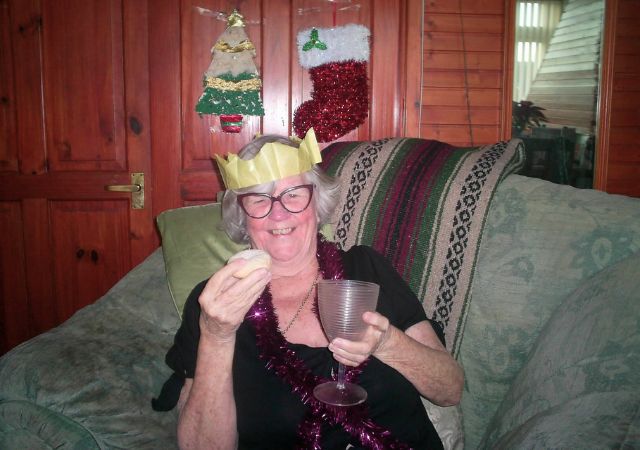
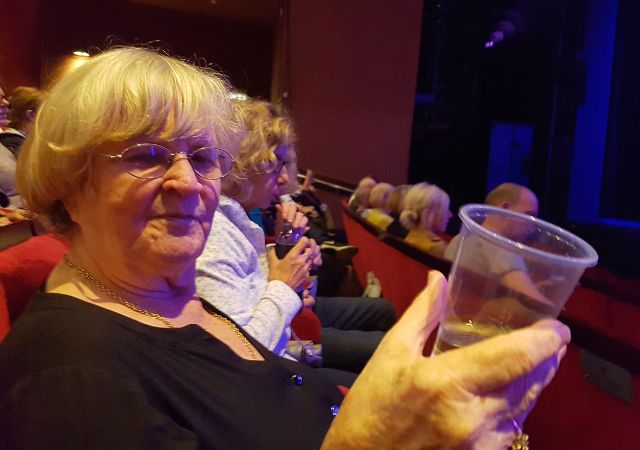
Kathleen enjoying a night out at theatre living life with epilepsy and sharing her personal story

Other Stories

The Voice For Epilepsy charity logo with purple awareness ribbon
Privacy Overview

This website uses cookies so that we can provide you with the best user experience possible. Cookie information is stored in your browser and performs functions such as recognising you when you return to our website and helping our team to understand which sections of the website you find most interesting and useful.