
How is epilepsy treated?

0
%
feel a lack of information and resources are barriers to accessing support or treatment
they need

0
%
of people with epilepsy experience stigma, ranging from subtle biases to significant misunderstanding.

0
in 3
Nearly 2 in 3 people emphasise the urgent need for more community support and understanding to improve their quality of life

Treatment
The most common treatments for epilepsy are medicine, surgical procedures, seizure devices, and a special diet.

Medicine
Anti-seizure medicines limit the spread of seizures in the brain. It may take time to find the right medicine. Sometimes you’ll need a combination of medicines. It’s very important to take your medicine as prescribed.
Medicines work for about 2 in 3 people with epilepsy. If your seizures continue while taking medicine, tell your health care provider right way. They make want to change the amount or type of medicine you take.
Side effects
Medicines can cause side effects like tiredness or trouble thinking. Let your health care provider know if you’re having any side effects, so they can adjust the medicine if needed.
Do not skip or stop taking your seizure medicine
You should not skip or stop taking your seizure medicine without talking to your provider. Suddenly stopping your medicine might cause withdrawal symptoms, including life-threatening seizures.
Surgery
When seizures come from a single area of the brain (focal seizures), surgery might be helpful. Removing the affected area may stop future seizures or make them easier to control with medicine.

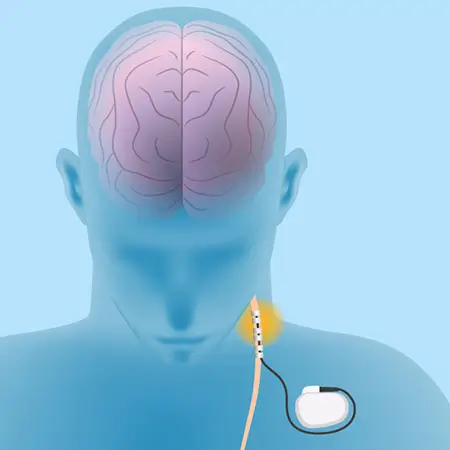
Seizure Devices
VNS therapy involves having a small device, called a generator, implanted under the skin of your chest. The generator sends electrical pulses to your brain through a lead attached to a nerve in your neck called the vagus nerve.
Diet
If medicine doesn’t work and surgery isn’t an option, there are other treatments that might help. Your doctor may suggest:
Ketogenic diet:
This is a strict, high-fat, low-carbohydrate diet. It’s typically used in children whose seizures won’t stop. It’s prescribed by a health care provider and monitored by a dietician.