
I just had a seizure for the first time.
What do I do?

0
%
feel a lack of information and resources are barriers to accessing support or treatment
they need

0
%
of people with epilepsy experience stigma, ranging from subtle biases to significant misunderstanding.

0
in 3
Nearly 2 in 3 people emphasise the urgent need for more community support and understanding to improve their quality of life

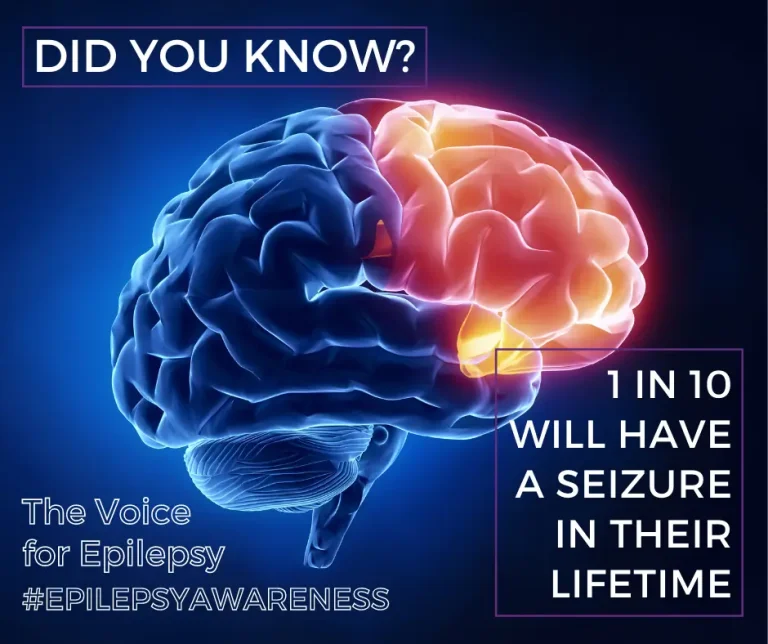
About 1 in 10 people will have a seizure in their lifetime. Having your first time seizure can be a frightening experience for the individual and others involved. Knowing what to do can help. First time seizures need to be evaluated by a healthcare provider to determine if the episode was a seizure and to investigate the cause.
Do not drive until you speak with a physician and get information about your medical fitness to safely operate a motor vehicle.
A healthcare provider will ask what you remember about the episode. What happened before it began and at the onset? What do you recall about the seizure? If there are parts that you do not remember, a witness may be able to fill-in other details such as how long the seizure lasted, what it looked like and what happened when it ended.
Make sure to ask questions regarding anything you are concerned about before leaving the emergency room or clinic.
Some possible questions are:
- Can the cause be determined?
- What is my seizure plan if a second seizure occurs?
- What sorts of safety precautions should I take?
You may need to have some diagnostic tests and a follow-up appointment with your family doctor or a neurologist. Ask if there is a first seizure clinic in your region.