

.cls-1 { stroke: #b197bf; } .cls-1, .cls-2, .cls-3, .cls-4, .cls-5, .cls-6, .cls-7, .cls-8, .cls-9, .cls-10, .cls-11, .cls-12, .cls-13, .cls-14, .cls-15, .cls-16, .cls-17, .cls-18, .cls-19, .cls-20, .cls-21, .cls-22, .cls-23, .cls-24, .cls-25, .cls-26, .cls-27, .cls-28, .cls-29, .cls-30, .cls-31, .cls-32 { fill: none; stroke-miterlimit: 10; stroke-width: .5px; } .cls-2 { stroke: #e6e1eb; } .cls-3 { stroke: #cbbbd4; } .cls-4 { stroke: #d7cddf; } .cls-5 { stroke: #b59cc2; } .cls-6 { stroke: #c3b0ce; } .cls-7 { stroke: #bea9ca; } .cls-8 { stroke: #bca6c8; } .cls-9 { stroke: #dfd7e5; } .cls-10 { stroke: #d0c2d9; } .cls-11 { stroke: #af94be; } .cls-12 { stroke: #e8e4ec; } .cls-13 { stroke: #c0abcb; } .cls-14 { stroke: #e2dce8; } .cls-15 { stroke: #d4c8dc; } .cls-16 { stroke: #ccbdd6; } .cls-17 { stroke: #e4dfe9; } .cls-18 { stroke: #d6cadd; } .cls-19 { stroke: #c7b6d1; } .cls-20 { stroke: #d2c5da; } .cls-21 { stroke: #e1dae6; } .cls-22 { stroke: #b8a1c5; } .cls-23 { stroke: #c1aecd; } .cls-24 { stroke: #c9b8d3; } .cls-25 { stroke: #baa3c7; } .cls-26 { stroke: #cec0d7; } .cls-27 { stroke: #c5b3d0; } .cls-28 { stroke: #d9cfe0; } .cls-29 { stroke: #b69ec4; } .cls-30 { stroke: #ddd5e3; } .cls-31 { stroke: #dbd2e2; } .cls-32 { stroke: #b399c1; }

What is a seizure?

Happy father and baby laughing together, representing family joy and hope for families affected by epilepsy
0 %
feel a lack of information and resources are barriers to accessing support or treatment they need
Horizontal bar chart infographic illustrating epilepsy percentage statistics
0 %

of people with epilepsy experience stigma, ranging from subtle biases to significant misunderstanding.

Circular chart infographic displaying epilepsy statistics
0  in 3
Nearly 2 in 3 people emphasise the urgent need for more community support and understanding to improve their quality of life
Infographic showing three human figures representing people affected by epilepsy
A seizure is a sudden burst of electrical activity in the brain that causes a temporary disturbance in the way brain cells communicate with each other.
The kind of seizure a person has depends on which part and how much of the brain is affected by the electrical disturbance that produces the seizure. A seizure may take many different forms, including a blank stare, uncontrolled movements, altered awareness, odd sensations, or convulsions. Seizures are typically brief and can last anywhere from a few seconds to a few minutes.
Seizures are divided into two main categories:
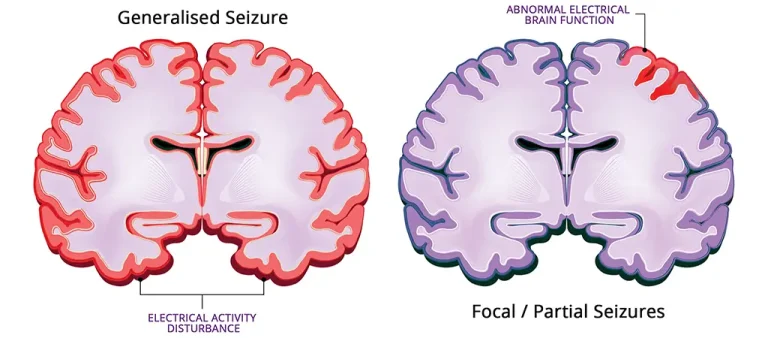
Educational diagram comparing generalised seizures and focal partial seizures showing brain electrical activity disturbance

Generalised Seizure

The Voice For Epilepsy charity logo with purple awareness ribbon
Privacy Overview

This website uses cookies so that we can provide you with the best user experience possible. Cookie information is stored in your browser and performs functions such as recognising you when you return to our website and helping our team to understand which sections of the website you find most interesting and useful.