.cls-1 { stroke: #b197bf; } .cls-1, .cls-2, .cls-3, .cls-4, .cls-5, .cls-6, .cls-7, .cls-8, .cls-9, .cls-10, .cls-11, .cls-12, .cls-13, .cls-14, .cls-15, .cls-16, .cls-17, .cls-18, .cls-19, .cls-20, .cls-21, .cls-22, .cls-23, .cls-24, .cls-25, .cls-26, .cls-27, .cls-28, .cls-29, .cls-30, .cls-31, .cls-32 { fill: none; stroke-miterlimit: 10; stroke-width: .5px; } .cls-2 { stroke: #e6e1eb; } .cls-3 { stroke: #cbbbd4; } .cls-4 { stroke: #d7cddf; } .cls-5 { stroke: #b59cc2; } .cls-6 { stroke: #c3b0ce; } .cls-7 { stroke: #bea9ca; } .cls-8 { stroke: #bca6c8; } .cls-9 { stroke: #dfd7e5; } .cls-10 { stroke: #d0c2d9; } .cls-11 { stroke: #af94be; } .cls-12 { stroke: #e8e4ec; } .cls-13 { stroke: #c0abcb; } .cls-14 { stroke: #e2dce8; } .cls-15 { stroke: #d4c8dc; } .cls-16 { stroke: #ccbdd6; } .cls-17 { stroke: #e4dfe9; } .cls-18 { stroke: #d6cadd; } .cls-19 { stroke: #c7b6d1; } .cls-20 { stroke: #d2c5da; } .cls-21 { stroke: #e1dae6; } .cls-22 { stroke: #b8a1c5; } .cls-23 { stroke: #c1aecd; } .cls-24 { stroke: #c9b8d3; } .cls-25 { stroke: #baa3c7; } .cls-26 { stroke: #cec0d7; } .cls-27 { stroke: #c5b3d0; } .cls-28 { stroke: #d9cfe0; } .cls-29 { stroke: #b69ec4; } .cls-30 { stroke: #ddd5e3; } .cls-31 { stroke: #dbd2e2; } .cls-32 { stroke: #b399c1; }

Why do people have seizures?

Happy father and baby laughing together, representing family joy and hope for families affected by epilepsy
0 %
feel a lack of information and resources are barriers to accessing support or treatment they need
Horizontal bar chart infographic illustrating epilepsy percentage statistics
0 %

of people with epilepsy experience stigma, ranging from subtle biases to significant misunderstanding.

Circular chart infographic displaying epilepsy statistics
0  in 3
Nearly 2 in 3 people emphasise the urgent need for more community support and understanding to improve their quality of life
Infographic showing three human figures representing people affected by epilepsy
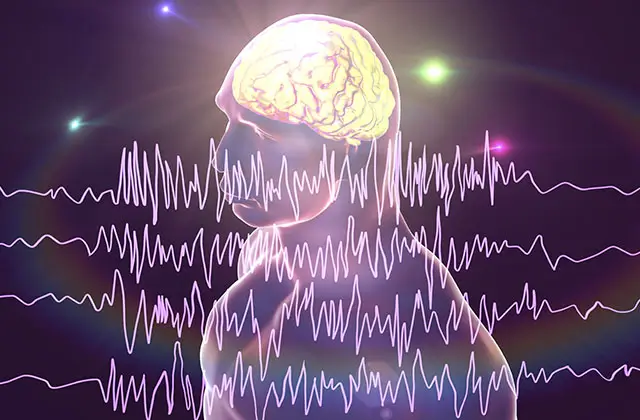
Illustration of brain with electrical activity representing seizure causes
There are many potential reasons why someone could have a seizure. Some seizures are a symptom of an acute condition, such as an illness or a recent head injury. Some people will have an isolated seizure for no apparent reason and never have another one.
When someone has epilepsy, they have an underlying brain condition that makes them more likely to have recurrent seizures. There are a wide range of causes of epilepsy.