Introduction to
Epilepsy
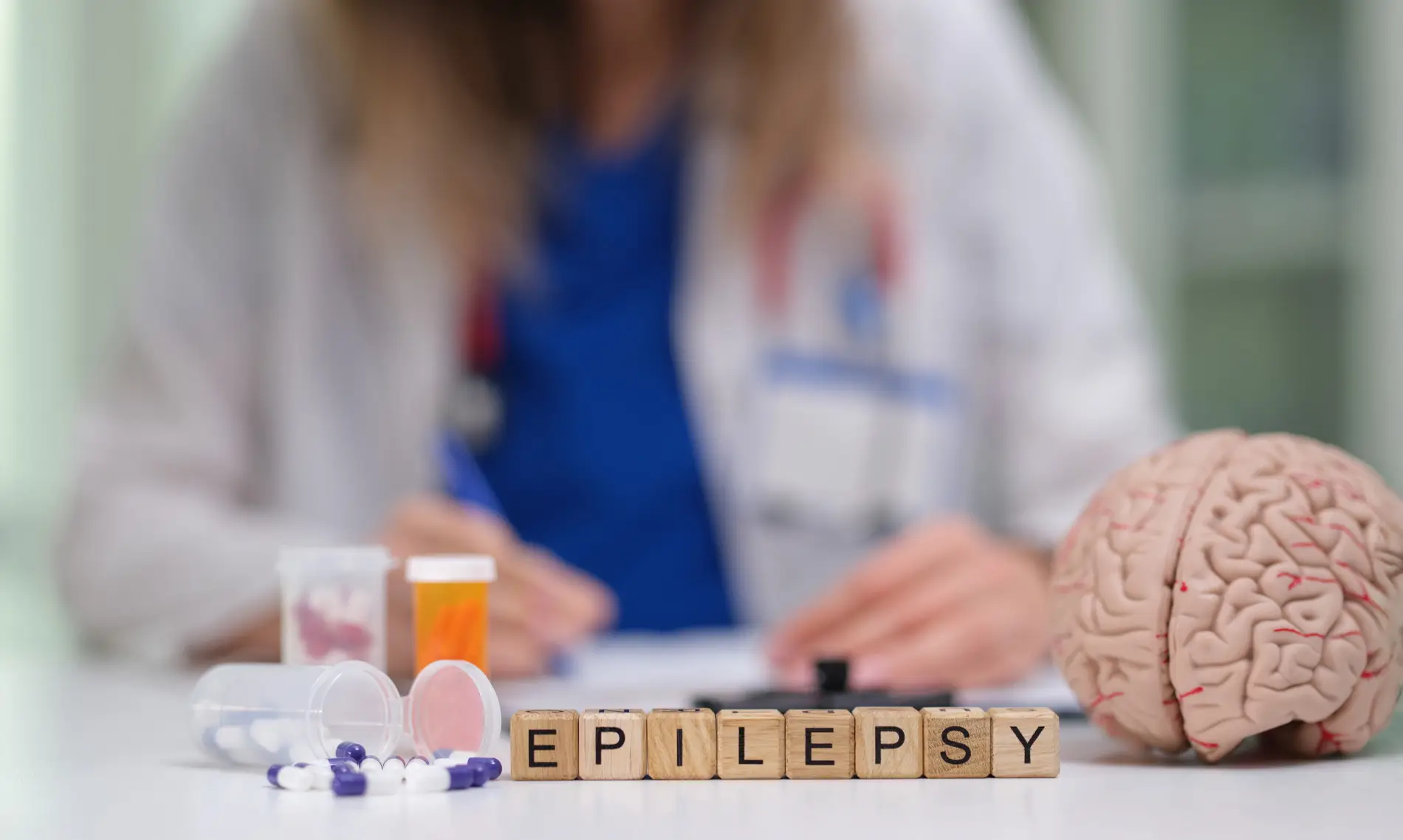
Epilepsy is a neurological disorder marked by sudden recurrent episodes of sensory disturbance, loss of consciousness, or convulsions, associated with abnormal
electrical activity in the brain.
0
%
feel a lack of information and resources are barriers to accessing support or treatment
they need

0
%
of people with epilepsy experience stigma, ranging from subtle biases to significant misunderstanding.

0
in 3
Nearly 2 in 3 people emphasise the urgent need for more community support and understanding to improve their quality of life

Risk factors

Certain factors may increase your risk of epilepsy:
- Age: The onset of epilepsy is most common in children and older adults, but the condition can occur at any age.
- Family history: If you have a family history of epilepsy, you may be at an increased risk of seizures.
- Head injuries: Head injuries are responsible for some cases of epilepsy. You can reduce your risk by wearing a seat belt while riding in a car. Also wear a helmet while bicycling, skiing, riding a motorcycle or doing any activities with a high risk of head injury.
- Stroke and other vascular diseases: Stroke and other blood vessel diseases can cause brain damage. Brain damage may trigger seizures and epilepsy. You can take steps to reduce your risk of these diseases. Limit alcohol, don't smoke, eat a healthy diet and exercise regularly.
- Dementia: Dementia can increase the risk of epilepsy in older adults.
- Brain infections: Infections such as meningitis, which causes inflammation in the brain or spinal cord, can increase your risk.
- Seizures in childhood: High fevers in childhood can sometimes be associated with seizures. Children who have seizures due to high fevers generally won't develop epilepsy. The risk of epilepsy increases if a child has a long fever-associated seizure, another nervous system condition or a family history of epilepsy.