.cls-1 { stroke: #b197bf; } .cls-1, .cls-2, .cls-3, .cls-4, .cls-5, .cls-6, .cls-7, .cls-8, .cls-9, .cls-10, .cls-11, .cls-12, .cls-13, .cls-14, .cls-15, .cls-16, .cls-17, .cls-18, .cls-19, .cls-20, .cls-21, .cls-22, .cls-23, .cls-24, .cls-25, .cls-26, .cls-27, .cls-28, .cls-29, .cls-30, .cls-31, .cls-32 { fill: none; stroke-miterlimit: 10; stroke-width: .5px; } .cls-2 { stroke: #e6e1eb; } .cls-3 { stroke: #cbbbd4; } .cls-4 { stroke: #d7cddf; } .cls-5 { stroke: #b59cc2; } .cls-6 { stroke: #c3b0ce; } .cls-7 { stroke: #bea9ca; } .cls-8 { stroke: #bca6c8; } .cls-9 { stroke: #dfd7e5; } .cls-10 { stroke: #d0c2d9; } .cls-11 { stroke: #af94be; } .cls-12 { stroke: #e8e4ec; } .cls-13 { stroke: #c0abcb; } .cls-14 { stroke: #e2dce8; } .cls-15 { stroke: #d4c8dc; } .cls-16 { stroke: #ccbdd6; } .cls-17 { stroke: #e4dfe9; } .cls-18 { stroke: #d6cadd; } .cls-19 { stroke: #c7b6d1; } .cls-20 { stroke: #d2c5da; } .cls-21 { stroke: #e1dae6; } .cls-22 { stroke: #b8a1c5; } .cls-23 { stroke: #c1aecd; } .cls-24 { stroke: #c9b8d3; } .cls-25 { stroke: #baa3c7; } .cls-26 { stroke: #cec0d7; } .cls-27 { stroke: #c5b3d0; } .cls-28 { stroke: #d9cfe0; } .cls-29 { stroke: #b69ec4; } .cls-30 { stroke: #ddd5e3; } .cls-31 { stroke: #dbd2e2; } .cls-32 { stroke: #b399c1; }

What’s difference between a seizure and epilepsy?

0 %
feel a lack of information and resources are barriers to accessing support or treatment they need
Horizontal bar chart infographic illustrating epilepsy percentage statistics
0 %

of people with epilepsy experience stigma, ranging from subtle biases to significant misunderstanding.

Circular chart infographic displaying epilepsy statistics
0  in 3
Nearly 2 in 3 people emphasise the urgent need for more community support and understanding to improve their quality of life
Infographic showing three human figures representing people affected by epilepsy

What’s difference between a seizure and epilepsy?

A seizure is the brief disruption in normal brain activity that interferes with brain function.
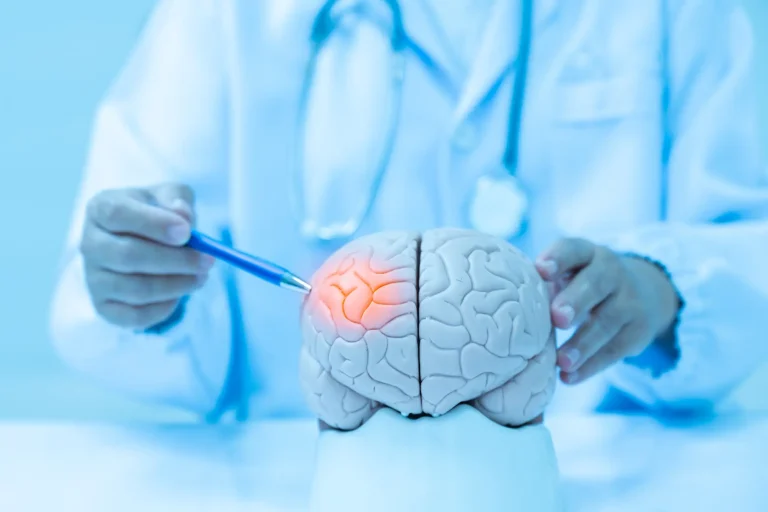
Anyone can potentially have a seizure and it doesn’t automatically mean that they have epilepsy.

Epilepsy is a brain disorder associated with an increased susceptibility to seizures.

It’s not always epileptic seizures. Seizures can also happen because of other medical problems.

These problems include: