Introduction to
Epilepsy
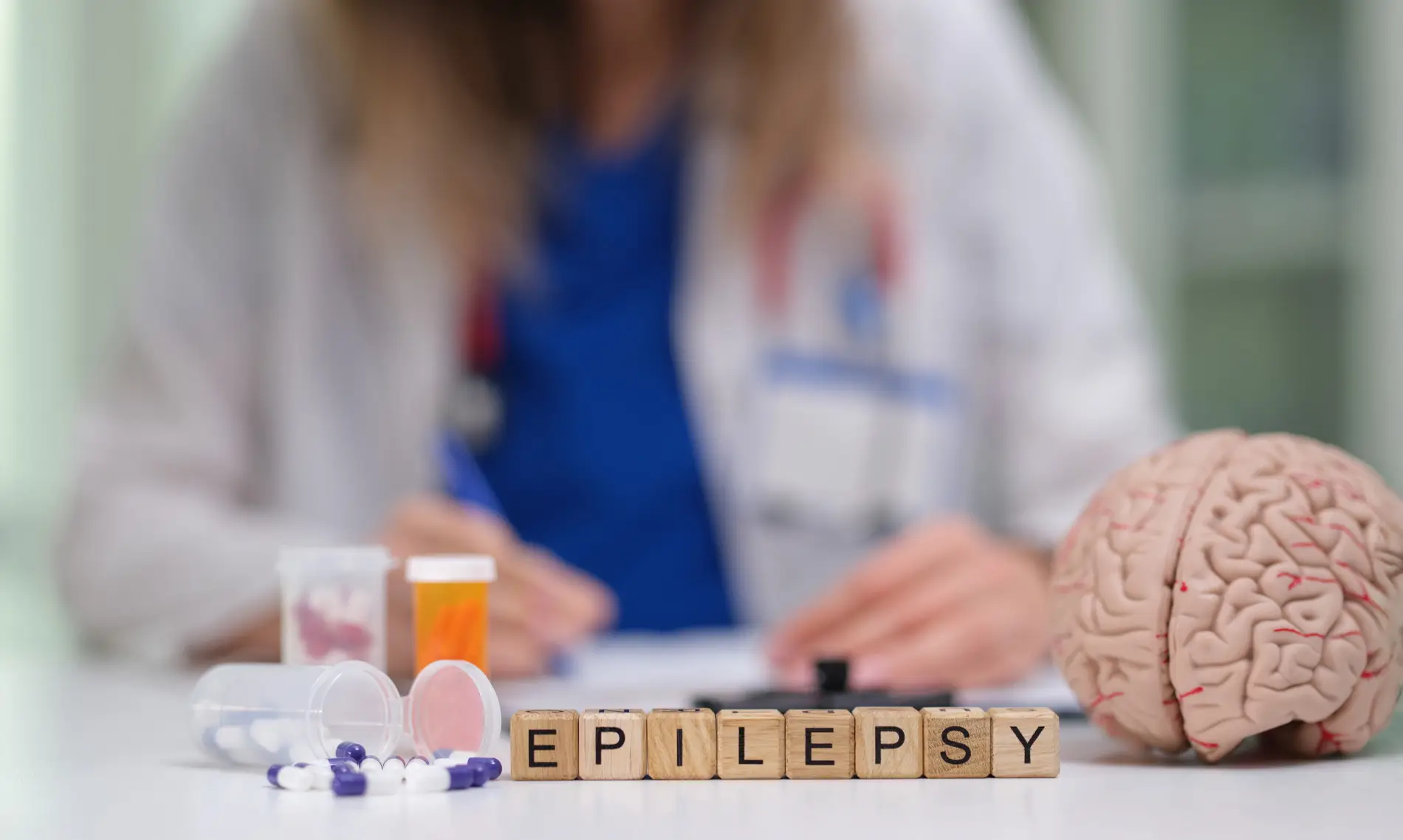
Epilepsy is a neurological disorder marked by sudden recurrent episodes of sensory disturbance, loss of consciousness, or convulsions, associated with abnormal
electrical activity in the brain.
0
%
feel a lack of information and resources are barriers to accessing support or treatment
they need

0
%
of people with epilepsy experience stigma, ranging from subtle biases to significant misunderstanding.

0
in 3
Nearly 2 in 3 people emphasise the urgent need for more community support and understanding to improve their quality of life

Why does it matter?
- Epilepsy is the most common, serious neurological disorder worldwide.
- Epilepsy can affect anyone, of any age, race, or sex, at any time from any walk of life.
- There are over 40 types of Epilepsy
- Around the world an estimated 65 million people have epilepsy at any given time.
- There are 600,000 people suffering from epilepsy in the UK.
- In the West Midlands, around 53,000 suffer from epilepsy.
- 1 in 10 will have a seizure in their lifetime.
- Approximately 1 in 26 people will develop epilepsy at some point in their lifetime