

.cls-1 { stroke: #b197bf; } .cls-1, .cls-2, .cls-3, .cls-4, .cls-5, .cls-6, .cls-7, .cls-8, .cls-9, .cls-10, .cls-11, .cls-12, .cls-13, .cls-14, .cls-15, .cls-16, .cls-17, .cls-18, .cls-19, .cls-20, .cls-21, .cls-22, .cls-23, .cls-24, .cls-25, .cls-26, .cls-27, .cls-28, .cls-29, .cls-30, .cls-31, .cls-32 { fill: none; stroke-miterlimit: 10; stroke-width: .5px; } .cls-2 { stroke: #e6e1eb; } .cls-3 { stroke: #cbbbd4; } .cls-4 { stroke: #d7cddf; } .cls-5 { stroke: #b59cc2; } .cls-6 { stroke: #c3b0ce; } .cls-7 { stroke: #bea9ca; } .cls-8 { stroke: #bca6c8; } .cls-9 { stroke: #dfd7e5; } .cls-10 { stroke: #d0c2d9; } .cls-11 { stroke: #af94be; } .cls-12 { stroke: #e8e4ec; } .cls-13 { stroke: #c0abcb; } .cls-14 { stroke: #e2dce8; } .cls-15 { stroke: #d4c8dc; } .cls-16 { stroke: #ccbdd6; } .cls-17 { stroke: #e4dfe9; } .cls-18 { stroke: #d6cadd; } .cls-19 { stroke: #c7b6d1; } .cls-20 { stroke: #d2c5da; } .cls-21 { stroke: #e1dae6; } .cls-22 { stroke: #b8a1c5; } .cls-23 { stroke: #c1aecd; } .cls-24 { stroke: #c9b8d3; } .cls-25 { stroke: #baa3c7; } .cls-26 { stroke: #cec0d7; } .cls-27 { stroke: #c5b3d0; } .cls-28 { stroke: #d9cfe0; } .cls-29 { stroke: #b69ec4; } .cls-30 { stroke: #ddd5e3; } .cls-31 { stroke: #dbd2e2; } .cls-32 { stroke: #b399c1; }

Seizures &
Diagnosis

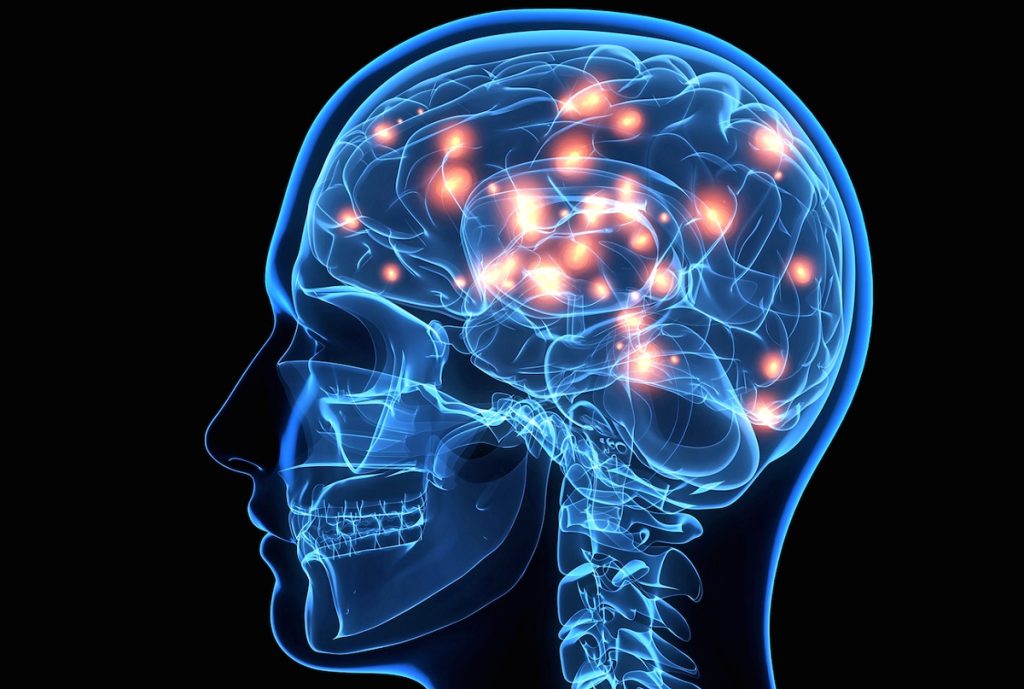
Seizures caused by abnormal brain activity can be divided into two groups, focal seizures and generalised seizures.

epilepsy-explainer
0 %
feel a lack of information and resources are barriers to accessing support or treatment they need
Horizontal bar chart infographic illustrating epilepsy percentage statistics
0 %

of people with epilepsy experience stigma, ranging from subtle biases to significant misunderstanding.

Circular chart infographic displaying epilepsy statistics
0  in 3
Nearly 2 in 3 people emphasise the urgent need for more community support and understanding to improve their quality of life
Infographic showing three human figures representing people affected by epilepsy
the-brain-epilepsy

Types of Seizures

Seizures occur due to abnormal brain activity and are grouped into focal and generalised types.

Focal seizures affect one area of the brain, while generalised seizures involve the whole brain.
Each type causes different symptoms, from changes in awareness to muscle stiffness or jerking movements.

What would you like to learn about epilepsy today?

What is SUDEP?

A death is referred to as a ‘SUDEP’ when a seemingly healthy person with epilepsy dies unexpectedly and no reason for the death can be found. In most cases, an autopsy is required to rule out other causes of death. The most common criteria used to determine whether a death is due to SUDEP:
Who is at Risk for SUDEP?

While SUDEP can happen to anyone with epilepsy, some people are at higher risk than others. The greatest common risk factor for SUDEP are:

How can families/caregivers prevent SUDEP?
Keeping seizures under control is the key to keeping children and youth healthy, safe, and to reduce the risk of SUDEP. Physicians can share the following tips with families/caregivers to help lower their child’s risk of SUDEP by: