

.cls-1 { stroke: #b197bf; } .cls-1, .cls-2, .cls-3, .cls-4, .cls-5, .cls-6, .cls-7, .cls-8, .cls-9, .cls-10, .cls-11, .cls-12, .cls-13, .cls-14, .cls-15, .cls-16, .cls-17, .cls-18, .cls-19, .cls-20, .cls-21, .cls-22, .cls-23, .cls-24, .cls-25, .cls-26, .cls-27, .cls-28, .cls-29, .cls-30, .cls-31, .cls-32 { fill: none; stroke-miterlimit: 10; stroke-width: .5px; } .cls-2 { stroke: #e6e1eb; } .cls-3 { stroke: #cbbbd4; } .cls-4 { stroke: #d7cddf; } .cls-5 { stroke: #b59cc2; } .cls-6 { stroke: #c3b0ce; } .cls-7 { stroke: #bea9ca; } .cls-8 { stroke: #bca6c8; } .cls-9 { stroke: #dfd7e5; } .cls-10 { stroke: #d0c2d9; } .cls-11 { stroke: #af94be; } .cls-12 { stroke: #e8e4ec; } .cls-13 { stroke: #c0abcb; } .cls-14 { stroke: #e2dce8; } .cls-15 { stroke: #d4c8dc; } .cls-16 { stroke: #ccbdd6; } .cls-17 { stroke: #e4dfe9; } .cls-18 { stroke: #d6cadd; } .cls-19 { stroke: #c7b6d1; } .cls-20 { stroke: #d2c5da; } .cls-21 { stroke: #e1dae6; } .cls-22 { stroke: #b8a1c5; } .cls-23 { stroke: #c1aecd; } .cls-24 { stroke: #c9b8d3; } .cls-25 { stroke: #baa3c7; } .cls-26 { stroke: #cec0d7; } .cls-27 { stroke: #c5b3d0; } .cls-28 { stroke: #d9cfe0; } .cls-29 { stroke: #b69ec4; } .cls-30 { stroke: #ddd5e3; } .cls-31 { stroke: #dbd2e2; } .cls-32 { stroke: #b399c1; }

Seizures &
Diagnosis

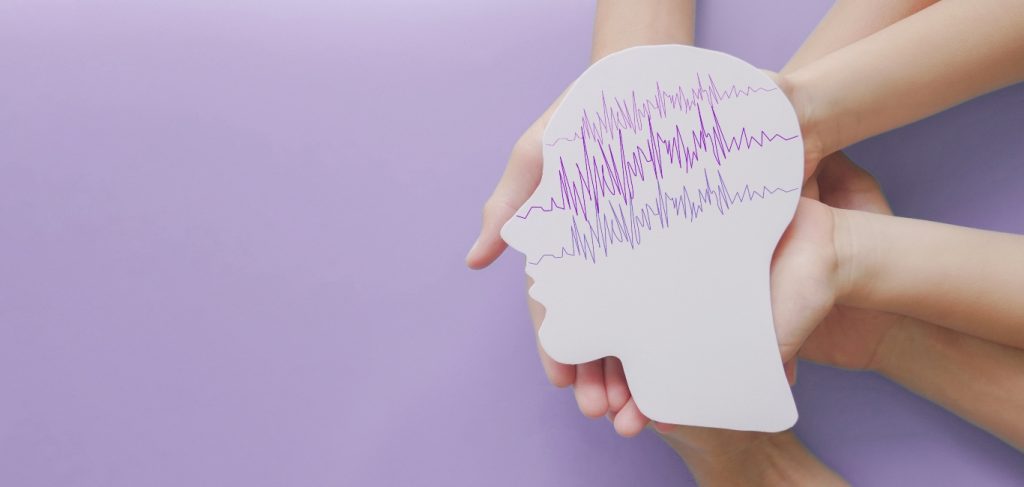
Seizures caused by abnormal brain activity can be divided into two groups, focal seizures and generalised seizures.

epilepsy-explainer
0 %
feel a lack of information and resources are barriers to accessing support or treatment they need
Horizontal bar chart infographic illustrating epilepsy percentage statistics
0 %

of people with epilepsy experience stigma, ranging from subtle biases to significant misunderstanding.

Circular chart infographic displaying epilepsy statistics
0  in 3
Nearly 2 in 3 people emphasise the urgent need for more community support and understanding to improve their quality of life
Infographic showing three human figures representing people affected by epilepsy
the-brain-epilepsy

Types of Seizures

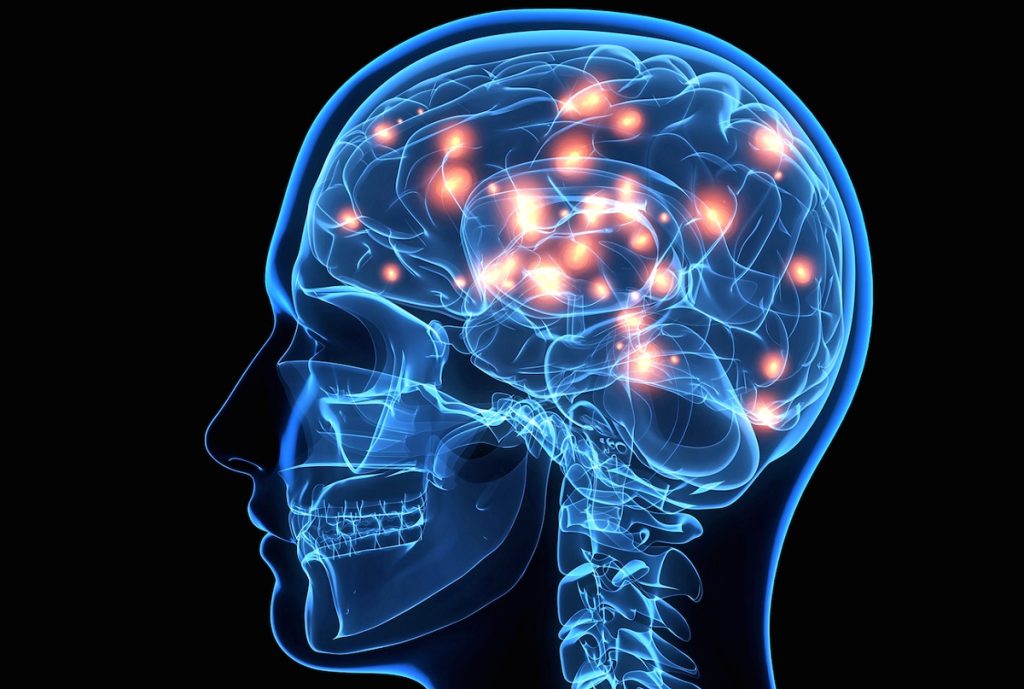
Seizures occur due to abnormal brain activity and are grouped into focal and generalised types.

Focal seizures affect one area of the brain, while generalised seizures involve the whole brain.
Each type causes different symptoms, from changes in awareness to muscle stiffness or jerking movements.

What would you like to learn about epilepsy today?

What is Photosensitive Epilepsy?

Photosensitive epilepsy is when your seizures are triggered by certain lights or patterns. The seizures usually happen when there is a high contrast between colors. This over stimulates certain parts of your brain, which can cause a seizure.

If you have photosensitive epilepsy, it can cause many different kinds of seizures. However, tonic-clonic seizures are the most common.

Some people with photosensitive epilepsy only ever have seizures when they are exposed to flashing lights or contrasting patterns. But for other people, seizures can be triggered by other things too.
There are many things that can potentially trigger seizures if you have photosensitive epilepsy. These include:
Flashing lights:
Patterns:
Sunlight: