



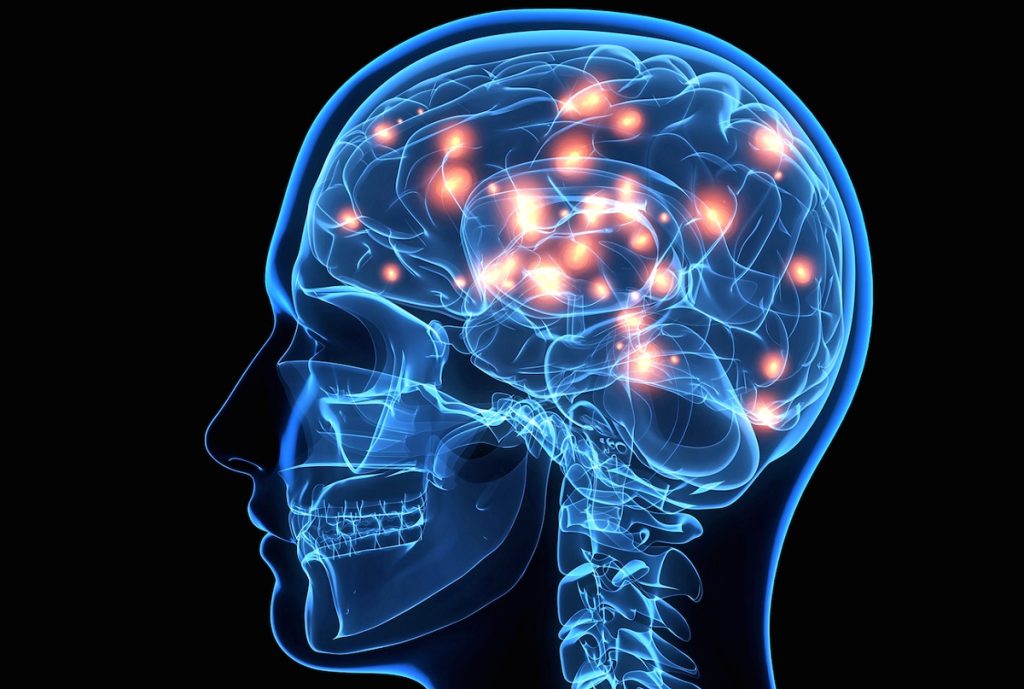
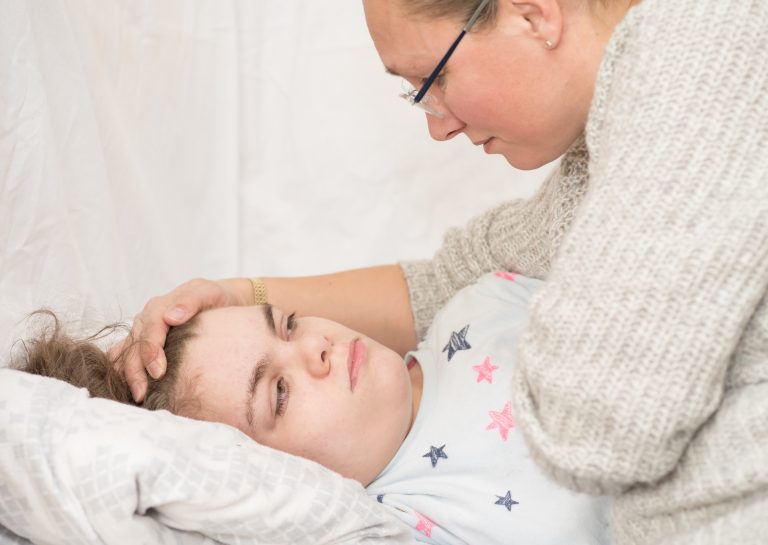
Witnessing someone with epilepsy having a seizure can be truly frightening. But most seizures aren’t an emergency. They stop on their own with no permanent ill effects.
There isn’t much you can do to stop a seizure once it starts. But there are simple steps you can take to protect someone from harm during a seizure. It’s worth knowing some basic first aid — and when it’s time to call 999.
Any of the following factors can cause seizures or anything that disturbs the blood flow to the brain: head injury, brain tumours, stroke, meningitis, malaria, eclampsia in pregnancy, poisoning, lack of oxygen, raised body temperature, epilepsy, drug and alcohol use and withdrawal, fainting, cardiac arrest and many more reasons.
Tonic-Clonic Seizures (“Grand Mal”)
Tonic-clonic seizures (older terms: grand mal seizures or convulsions) are the most recognized type of seizure. There are two parts to a tonic-clonic seizure: the tonic phase, which is the stiffening of the body and limbs; and the clonic phase, which is the jerking or convulsing of the body. A tonic-clonic seizure typically lasts 2 to 3 minutes. This seizure is sometimes confused with a heart attack or stroke.
- Cry out and fall
- Go rigid
- Lose consciousness
- Begin shaking and rapidly jerk their muscles
- Have trouble breathing
- Bite their tongue or inside of their cheek
- Lose bladder or bowel control
- May not become fully conscious right away (if it takes more than 30 minutes, they may need to go to the ER)
- May appear confused, tired, or have a headache
- May sleep for several minutes or hours
- Breathes normally and eventually becomes fully conscious
First Aid for Tonic Clonic Seizures
- Stay calm
- Time the seizure
- Turn the person on their side to keep their airway clear, unless they have an injury
- Protect their head with your hands or a soft object
- Protect them from nearby hazards
- Loosen tight clothing around the neck like ties and collars
- Call an ambulance if the seizure lasts longer than 5 minutes, it is the person’s first seizure, the person is pregnant, or has diabetes
- Keep onlookers away and explain what is happening
- Stay with the person until the seizure is over and consciousness has fully returned
- Put any object in the mouth or try to hold the tongue
- Restrain the person or hold them down
- Give liquids or oral medications until conscious
- Use artificial respiration during the seizure
Absence (Petit Mal)
- Stare blankly
- Blink quickly
- Make chewing movements
- Have a glazed look on their face
- Not respond if they are called or touched
- Be unaware of what’s going on around them
- Other symptoms may include: hand gestures, eye fluttering, eye rolling, or a slight facial twitch
- Becomes fully conscious right away
First Aid for Absence Seizure
- No immediate first aid necessary
- Try to document duration of the seizure
- Give comfort and reassurance
- Try to document duration of the seizure
- Time the seizures if they begin to cluster
- Help the person reintegrate into the task they were just doing
- Time the seizures if they begin to cluster
Atonic Seizures (Drop Attacks)
- Suddenly lose muscle control or suddenly fall
- Lose consciousness
- Becomes fully conscious
- Can stand and walk
- May be sore or injured from the fall and need first aid
First Aid for Absence Seizure
- No first aid needed unless the person is hurt during a fall
- Provide emotional support and reassurance
Myoclonic Seizures
- Suddenly jerk their whole body or part of their body
- Spill a drink, drop an object, or fall off of a chair
- Maintain consciousnes
- May be sore or injured from the fall and need first aid
First Aid for Myoclonic Seizures
- No first aid needed unless injury occurs
- Provide emotional support and reassurance
Infantile Spasms
- Move their body suddenly
- Let their head and arms fall forward
- Fold up their knees and lift up their arms and head
First Aid for Infantile Spasms
- Take the baby to the doctor or emergency department if this is the first time
- Document the duration of the seizure
Febrile Seizures
Focal Without Altered Awareness, Focal Aware Seizures (Simple Partial)
- Jerk their body, arm, leg, or face
- Experience a distorted environment
- See or hear things that aren’t there
- Feel scared, sad, angry, or happy for no reason
- Have nausea, sense odd smells, or have a funny feeling in the stomach
- Feel like vomiting or have a stomach ache
- May need to rest
First Aid for Focal Aware Seizures
- Stay calm
- Time the seizure
- Protect the person from harm
- Keep onlookers away and explain what is happening
- Stay with the person and support them when the seizure ends
- If the seizure becomes convulsive, then first aid is required as described for generalized tonic-clonic seizures above
Focal With Altered Awareness, Focal Impaired Awareness Seizures (Complex Partial)
- Stare blankly
- Make chewing movements
- Move their body in unusual ways
- Not answer questions
- Be unaware, seem dazed
- Pick at clothing or try to take off their clothes
- Seem scared or confused
- Run, pick up objects, or mumble Struggle or flail at restraint
- Is confused
- Can’t remember what happened
First Aid for Focal Impaired Awareness Seizures (FIAS)
- Stay calm
- Time the seizure
- Guide away from obvious hazards (like stairs or traffic)
- Speak calmly and reassuringly to person
- Keep onlookers away and explain what is happening
- Stay with the person and support them when it’s over
- If the seizure becomes convulsive, then first aid is required as described for generalized tonic-clonic seizures above
- Grab the person, unless there is sudden danger such as a cliff or an approaching car
- Try to restrain
- Shout
Psychogenic Non-Epileptic Seizures (PNES)
- Typically, there’s no tongue biting, or if there is, it’s usually the tip of the tongue rather than the side
- Incontinence is extremely uncommon
- Significant injury is extremely uncommon
- Eyes are typically fully closed, and person is resistant to passive eye opening
- Automatisms are typically absent
- Moaning and crying may occur
First Aid for PNES
- Same first aid protocol as epileptic seizures and should be treated as such in the moment
- Treatment methods outside of the seizure itself will vary, as psychogenic seizures do not typically respond to anti-epileptic drugs (AEDs) and other treatments that are typical for those diagnosed with epilepsy.
Other places where seizures can occur:
In Water
In Aeroplane
On a Bus
First aid for people who use a wheelchair
- Put the brakes on, to stop the chair from moving
- Allow the person to remain seated in the chair during the seizure (unless care plan says to move them). Moving the person could possibly lead to injuries for the person having the seizure and the carer. There could be certain attachments or medical reasons for the person to remain within the chair.
- If the person has a seatbelt or harness on, leave it fastened
- If the person doesn’t have a seatbelt or harness, support them gently, so they don’t fall out of the chair
- Cushion the person’s head and support it gently
- Do not restrain
- Afterward, talk gently to the person, be comforting and reassuring and stay with them until they become re-oriented
If you use a wheelchair or any other mobility device, speak with your doctor about any specific treatment options or care packages they would like you to follow during or after a seizure.
- Don’t panic. Take deep breaths and remain calm.
- When possible, note the time the seizure began so you’ll know if it goes on too long (five minutes or more).
- If they’re sitting in a chair, gently guide them to the floor or try to prevent them from falling. Head injuries are common and usually result from the fall at the onset of the seizure.
- Move all heavy or sharp objects away from them. This includes tables, chairs, or any other hard furniture.
- Try placing something soft, like a jacket or blanket, beneath the person’s head to help prevent head injuries.
- Remove their eyeglasses if you can safely do so.
- If possible, roll them onto their side.
- While it may be helpful to loosen belts or ties to help them breathe easier, never hold somebody down during a seizure.
- Stay with them until the seizure is over, then be sensitive and provide support.
In Water
In an Airplane
On a Bus
First aid for people who use a wheelchair
- Put the brakes on, to stop the chair from moving
- Allow the person to remain seated in the chair during the seizure (unless care plan says to move them). Moving the person could possibly lead to injuries for the person having the seizure and the carer. There could be certain attachments or medical reasons for the person to remain within the chair.
- If the person has a seatbelt or harness on, leave it fastened
- If the person doesn’t have a seatbelt or harness, support them gently, so they don’t fall out of the chair
- Cushion the person’s head and support it gently
- Do not restrain
- Afterward, talk gently to the person, be comforting and reassuring and stay with them until they become re-oriented
If you use a wheelchair or any other mobility device, speak with your doctor about any specific treatment options or care packages they would like you to follow during or after a seizure.
- Don’t panic. Take deep breaths and remain calm.
- When possible, note the time the seizure began so you’ll know if it goes on too long (five minutes or more).
- If they’re sitting in a chair, gently guide them to the floor or try to prevent them from falling. Head injuries are common and usually result from the fall at the onset of the seizure.
- Move all heavy or sharp objects away from them. This includes tables, chairs, or any other hard furniture.
- Try placing something soft, like a jacket or blanket, beneath the person’s head to help prevent head injuries.
- Remove their eyeglasses if you can safely do so.
- If possible, roll them onto their side.
- While it may be helpful to loosen belts or ties to help them breathe easier, never hold somebody down during a seizure.
- Stay with them until the seizure is over, then be sensitive and provide support.