
.cls-1 { stroke: #b197bf; } .cls-1, .cls-2, .cls-3, .cls-4, .cls-5, .cls-6, .cls-7, .cls-8, .cls-9, .cls-10, .cls-11, .cls-12, .cls-13, .cls-14, .cls-15, .cls-16, .cls-17, .cls-18, .cls-19, .cls-20, .cls-21, .cls-22, .cls-23, .cls-24, .cls-25, .cls-26, .cls-27, .cls-28, .cls-29, .cls-30, .cls-31, .cls-32 { fill: none; stroke-miterlimit: 10; stroke-width: .5px; } .cls-2 { stroke: #e6e1eb; } .cls-3 { stroke: #cbbbd4; } .cls-4 { stroke: #d7cddf; } .cls-5 { stroke: #b59cc2; } .cls-6 { stroke: #c3b0ce; } .cls-7 { stroke: #bea9ca; } .cls-8 { stroke: #bca6c8; } .cls-9 { stroke: #dfd7e5; } .cls-10 { stroke: #d0c2d9; } .cls-11 { stroke: #af94be; } .cls-12 { stroke: #e8e4ec; } .cls-13 { stroke: #c0abcb; } .cls-14 { stroke: #e2dce8; } .cls-15 { stroke: #d4c8dc; } .cls-16 { stroke: #ccbdd6; } .cls-17 { stroke: #e4dfe9; } .cls-18 { stroke: #d6cadd; } .cls-19 { stroke: #c7b6d1; } .cls-20 { stroke: #d2c5da; } .cls-21 { stroke: #e1dae6; } .cls-22 { stroke: #b8a1c5; } .cls-23 { stroke: #c1aecd; } .cls-24 { stroke: #c9b8d3; } .cls-25 { stroke: #baa3c7; } .cls-26 { stroke: #cec0d7; } .cls-27 { stroke: #c5b3d0; } .cls-28 { stroke: #d9cfe0; } .cls-29 { stroke: #b69ec4; } .cls-30 { stroke: #ddd5e3; } .cls-31 { stroke: #dbd2e2; } .cls-32 { stroke: #b399c1; }

Treatment
and Prevention

Seizures caused by abnormal brain activity can be divided into two groups, focal seizures and generalised seizures.
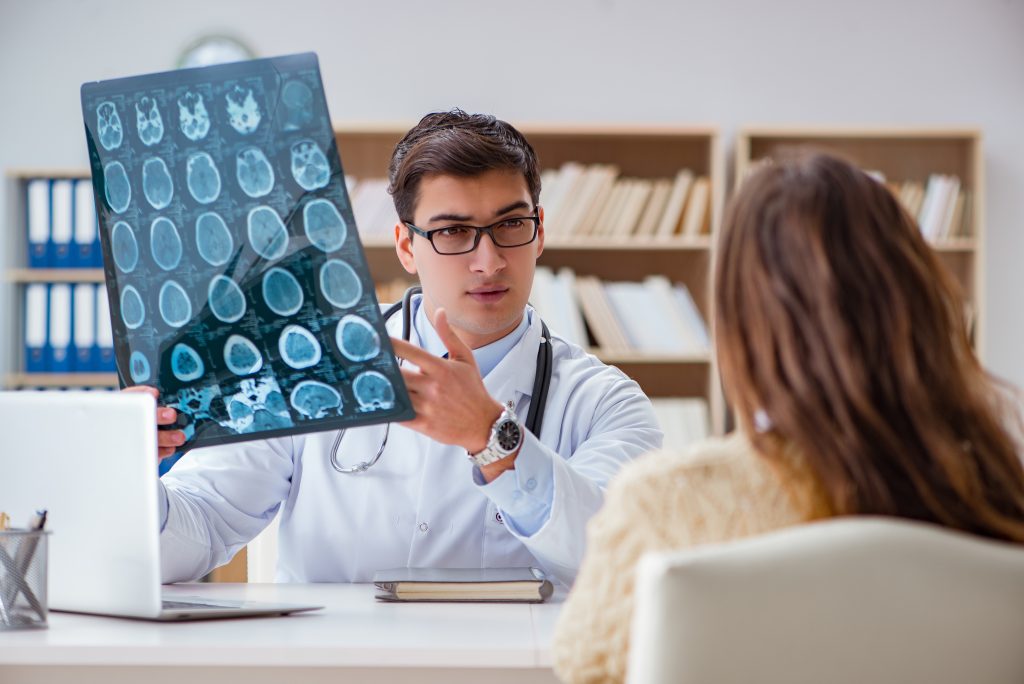
Neurologist doctor analyzing brain CT scan x-ray images for epilepsy diagnosis and treatment planning with patient
0 %
feel a lack of information and resources are barriers to accessing support or treatment they need
Horizontal bar chart infographic illustrating epilepsy percentage statistics
0 %

of people with epilepsy experience stigma, ranging from subtle biases to significant misunderstanding.

Circular chart infographic displaying epilepsy statistics
0  in 3
Nearly 2 in 3 people emphasise the urgent need for more community support and understanding to improve their quality of life
Infographic showing three human figures representing people affected by epilepsy

What would you like to learn about epilepsy today?

How is Epilepsy diagnosed?

Diagnosing epilepsy is not simple. Doctors gather lots of different

information to assess the causes of seizures. If you have had two or

more seizures that started in the brain you may be diagnosed with

epilepsy. Getting a diagnosis is not always easy as there is no single

test that can diagnose epilepsy.

Blood tests
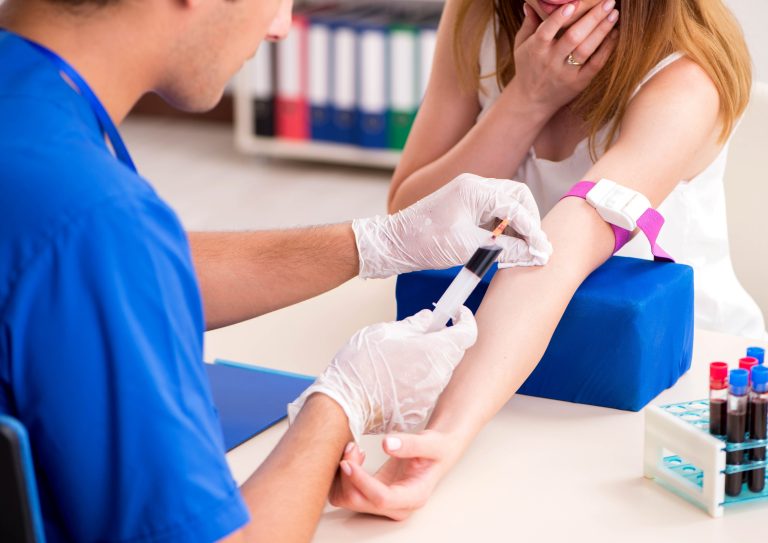
Young patient having blood test taken by healthcare professional for epilepsy diagnosis and monitoring

A blood sample can detect signs of infections, genetic conditions or other conditions that may be associated with seizures.

Electrocardiogram (ECG)
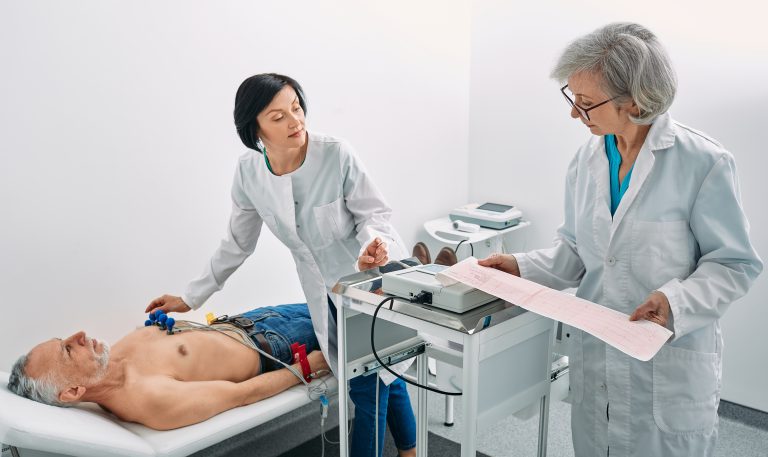
Elderly patient undergoing ECG cardiogram test with doctors monitoring heart rate for epilepsy cardiac diagnosis

An electrocardiogram, or ECG, is a simple and useful test which records the rhythm, rate and electrical activity of your heart.

Electroencephalogram (EEG)
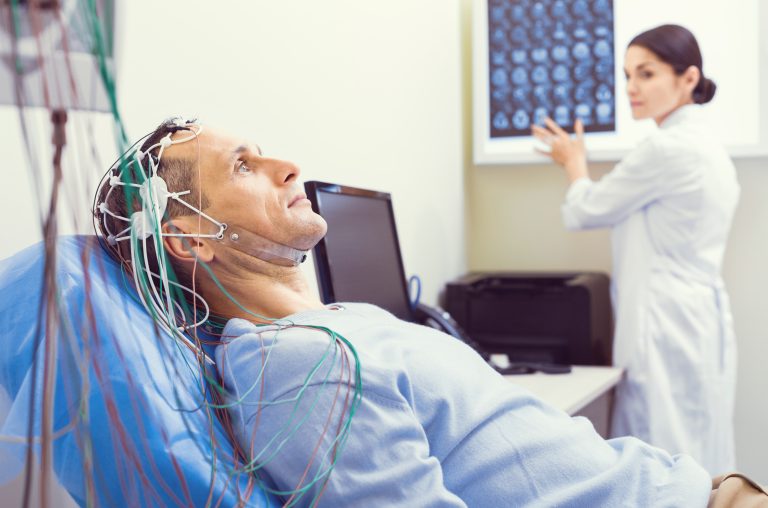
Patient undergoing EEG electroencephalography brain scan test for epilepsy diagnosis and seizure monitoring

An EEG can be used to help diagnose and monitor a number of conditions
affecting the brain.

Magnetic resonance imaging (MRI)
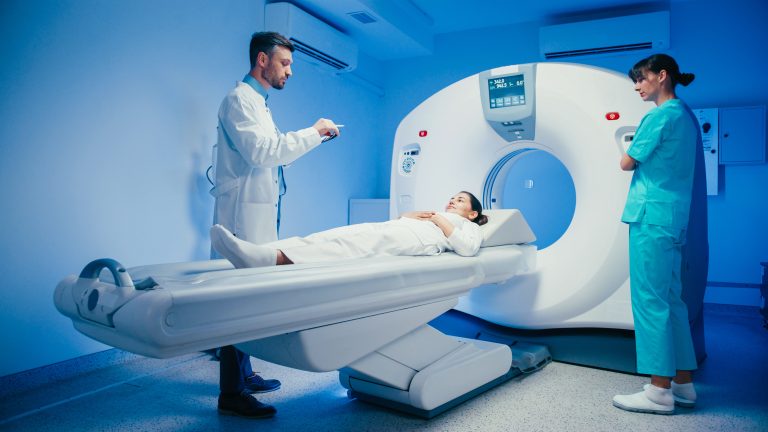
Patient entering MRI scanner machine with medical team for epilepsy brain imaging and diagnosis

MRI is a type of scan that uses strong magnetic fields and radio waves to produce detailed images of the inside of the body.

Physical exam

Doctor consulting with patient about epilepsy treatment options and medication during medical appointment

The neurologist also will test the functioning of your muscles, your senses, and your reflexes, and will look for any problems with your walking or coordination. Another part of the exam is a test of your mental functions, such as the ability to remember words, do arithmetic, and name objects.

Positron emission tomography (PET)
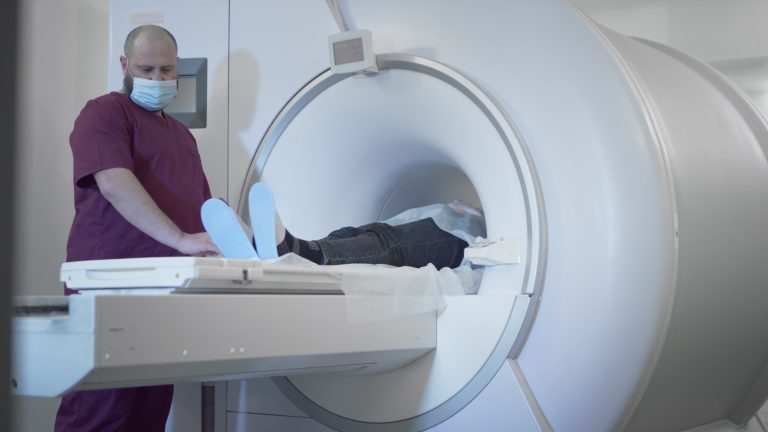
Patient undergoing PET scan or MRI brain imaging test for epilepsy diagnosis in modern medical clinic

PET scans are used to produce detailed three-dimensional images of the inside of the body.

Single photon emission computed tomography (SPECT)
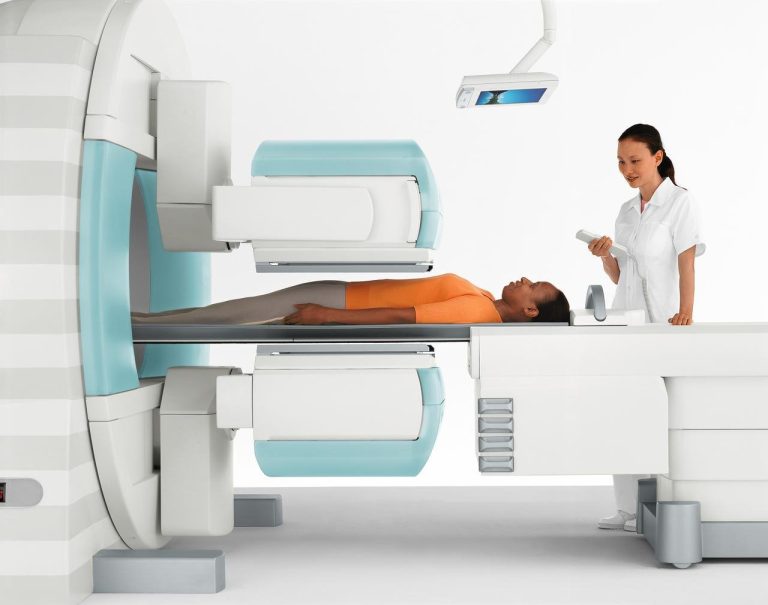
Patient undergoing SPECT scan nuclear imaging for epilepsy seizure focus localization and brain diagnosis

A SPECT scan is a type of nuclear imaging test that shows how blood flows to tissues and organs.