



Diet – Ketogenic Diet:
If medicine doesn’t work and surgery isn’t an option, there are other treatments that might help. Your doctor may suggest:
Ketogenic diet:
The ketogenic diet is a low carbohydrate, high fat diet that is used to treat epilepsy which has not responded to other treatments. The diet was first developed nearly a century ago and was typically used only with children until recently. The diet is designed to force your body to burn fat instead of glucose for energy. This produces ketones, which give the diet its ‘keto’ name and which have an anti-epileptic effect. The diet should only be used under the supervision of a dietitian who will work out a diet prescription based on your individual needs and requirements. New developments have made it easier to prepare and follow.
Who should not follow a ketogenic diet?
Diabetics and anyone with a blood sugar management issue should discuss the potential implications with their GP and healthcare team before embarking on such a regime. They’re likely to experience complications because of the effect on blood sugar. Similarly, anyone who meets one or more of these criteria:
- have kidney and/or liver disease or a family history of such.
- is under 18 years old or elderly.
- has a pre-existing medical condition.
- are pregnant or breastfeeding.
- or are on prescribed medication.
Before starting the ketogenic diet
Referrals for the diet are made by your child’s paediatrician or paediatric neurologist.
Before starting the diet, your child will need to see the ketogenic team and have the following:
- Blood and urine tests to ensure the diet is safe to start.
- Weight and height measurements.
- A medication review.
- A review of your child’s seizure types and how often seizures are happening.
- A review of your child’s current diet.
Ketogenic diet for epilepsy types
There are different types or variations of the ketogenic diet for epilepsy, including:
- Classic ketogenic diet(CKD). High in fat, low in carbohydrates, moderate in proteins. It’s very structured and requires strict meal planning.
- Modified Atkins diet(MAD). High in fat, low in carbohydrates, flexible in proteins. It’s less restrictive than CKD, but you still need to monitor how many carbohydrates you eat.
- Low glycaemic index diet. Moderate in fat and proteins. It encourages you to eat carbohydrates that absorb slowly (low glycemic index).
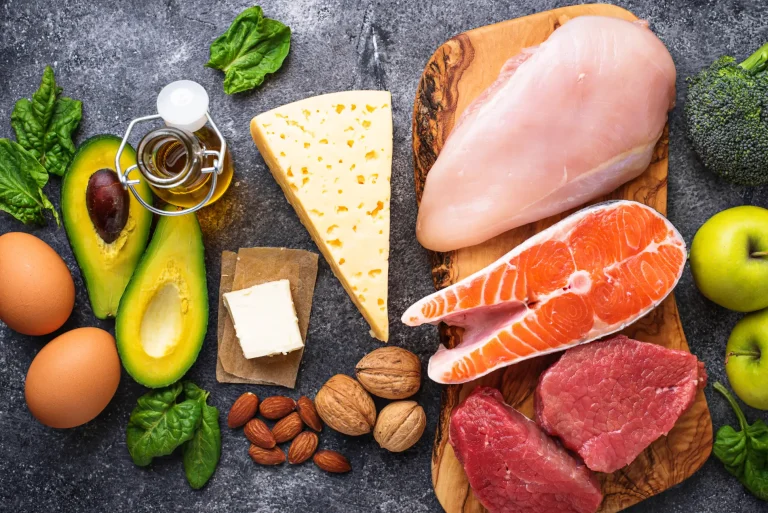
What can you eat on Ketogenic Diet
- Meats and fish:Red meat like beef, chicken, turkey, fish, shellfish, pork
- Alternative proteins:Eggs, soybeans, soy proteins
- Fruit:Raspberries, strawberries, coconut, avocados, lemons, limes
- Non-starchy vegetables:Broccoli, zucchini, cauliflower, leafy greens, yellow squash, garlic, bell peppers, radishes, cucumbers, okra, mushrooms, green beans, carrots, celery
- Dairy:Sour cream, cream cheese, heavy cream, cheese
- Dairy alternatives:Unsweetened plant milks
- Nuts and seeds: Chia seeds, flax seeds, sesame seeds, almonds, walnuts, pecans, peanuts, hazelnuts, macadamia nuts
- Fats and oils:Butter, olive oil, coconut oil, animal fats
- Other: Vinegar (except for balsamic), herbs, spices, sugar-free dark chocolate, broths, mayonnaise, mustard, hot sauce.
What you can’t eat on a Ketogenic Diet
- Proteins:Breaded/battered meats, all beans and legumes except soybeans and peanuts, imitation crabmeat
- Fruits: Apples, bananas, mangos, cherries, grapes, pears, papaya
- Vegetables:Potatoes, sweet potatoes, corn, winter squashes, peas
- Grains: Bread, rice, pasta, oats, grits, flour, cornmeal, quinoa, tortillas, flatbreads, biscuits, rolls, crackers
- Nuts and seeds:Cashews, pistachios
- Sugary foods:Sugary soda, fruit juices, sweetened beverages, candy, cookies, cakes, snack cakes, ice cream, syrups, jellies, honey
- Dairy products: Milk, yogurt
- Other: Sweetened coffee creamers, balsamic vinegar, ketchup