



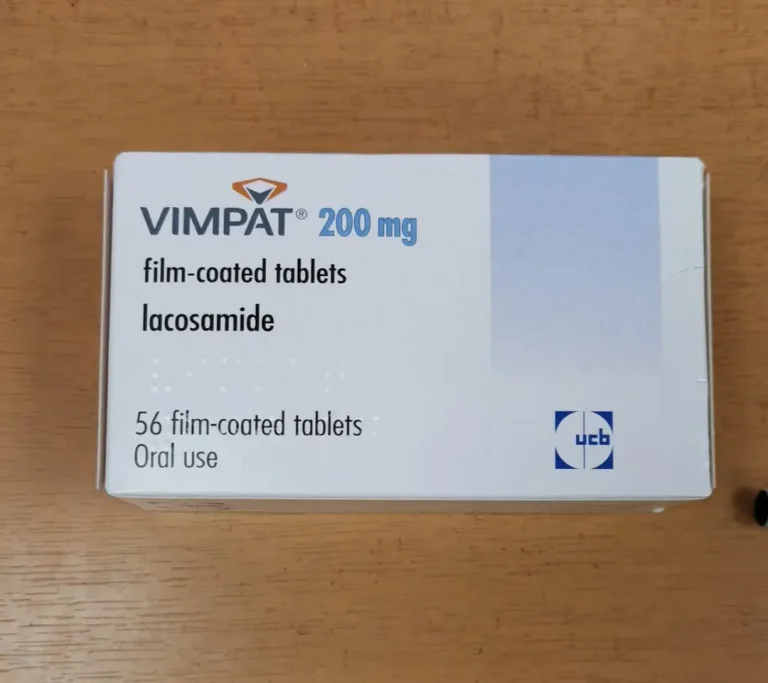
Vimpat is a medicine used on its own or as an add-on to other epilepsy medicines in the treatment of partial-onset seizures (epileptic fits starting in one specific part of the brain) with or without secondary generalisation (where the abnormal electrical activity spreads through the brain) in patients with epilepsy.
Before taking Vimpat you need to tell your consultant
They need to know if you have any of these conditions:
- Heart disease
- Kidney disease
- Liver disease
- Substance use disorder
- Suicidal thoughts, plans, or attempt
- An unusual or allergic reaction to lacosamide, other medications, foods, dyes, or preservatives
- Pregnant or trying to get pregnant
- Breast-feeding
Side effects of Vimpat
- Dizziness or problems with balance or co-ordination.
- headache
- nausea (feeling sick) or
- vomiting
- feeling tired, drowsy or sleepy
- forgetfulness
- tremors
- itching.
Tell your doctor as soon as possible if you notice any of the following:
- feelings of depression.
- feeling aggressive or agitated.
- spinning sensations.
- double vision or blurred vision.
- having trouble sleeping.
If any of the following happen, tell your doctor immediately or go to Accident and Emergency at your nearest hospital:
- thoughts of harming yourself
- more frequent or more severe seizures
- fainting or feeling lightheaded
- heart palpitations or a rapid or irregular pulse
- shortness of breath
- wheezing or difficulty breathing
- swelling of the face, lips, tongue or other parts of the body
- rash, itching or hives on the skin.