

.cls-1 { stroke: #b197bf; } .cls-1, .cls-2, .cls-3, .cls-4, .cls-5, .cls-6, .cls-7, .cls-8, .cls-9, .cls-10, .cls-11, .cls-12, .cls-13, .cls-14, .cls-15, .cls-16, .cls-17, .cls-18, .cls-19, .cls-20, .cls-21, .cls-22, .cls-23, .cls-24, .cls-25, .cls-26, .cls-27, .cls-28, .cls-29, .cls-30, .cls-31, .cls-32 { fill: none; stroke-miterlimit: 10; stroke-width: .5px; } .cls-2 { stroke: #e6e1eb; } .cls-3 { stroke: #cbbbd4; } .cls-4 { stroke: #d7cddf; } .cls-5 { stroke: #b59cc2; } .cls-6 { stroke: #c3b0ce; } .cls-7 { stroke: #bea9ca; } .cls-8 { stroke: #bca6c8; } .cls-9 { stroke: #dfd7e5; } .cls-10 { stroke: #d0c2d9; } .cls-11 { stroke: #af94be; } .cls-12 { stroke: #e8e4ec; } .cls-13 { stroke: #c0abcb; } .cls-14 { stroke: #e2dce8; } .cls-15 { stroke: #d4c8dc; } .cls-16 { stroke: #ccbdd6; } .cls-17 { stroke: #e4dfe9; } .cls-18 { stroke: #d6cadd; } .cls-19 { stroke: #c7b6d1; } .cls-20 { stroke: #d2c5da; } .cls-21 { stroke: #e1dae6; } .cls-22 { stroke: #b8a1c5; } .cls-23 { stroke: #c1aecd; } .cls-24 { stroke: #c9b8d3; } .cls-25 { stroke: #baa3c7; } .cls-26 { stroke: #cec0d7; } .cls-27 { stroke: #c5b3d0; } .cls-28 { stroke: #d9cfe0; } .cls-29 { stroke: #b69ec4; } .cls-30 { stroke: #ddd5e3; } .cls-31 { stroke: #dbd2e2; } .cls-32 { stroke: #b399c1; }

Treatment
and Prevention

Seizures caused by abnormal brain activity can be divided into two groups, focal seizures and generalised seizures.
Neurologist doctor analyzing brain CT scan x-ray images for epilepsy diagnosis and treatment planning with patient
0 %
feel a lack of information and resources are barriers to accessing support or treatment they need
Horizontal bar chart infographic illustrating epilepsy percentage statistics
0 %

of people with epilepsy experience stigma, ranging from subtle biases to significant misunderstanding.

Circular chart infographic displaying epilepsy statistics
0  in 3
Nearly 2 in 3 people emphasise the urgent need for more community support and understanding to improve their quality of life
Infographic showing three human figures representing people affected by epilepsy

What would you like to learn about epilepsy today?

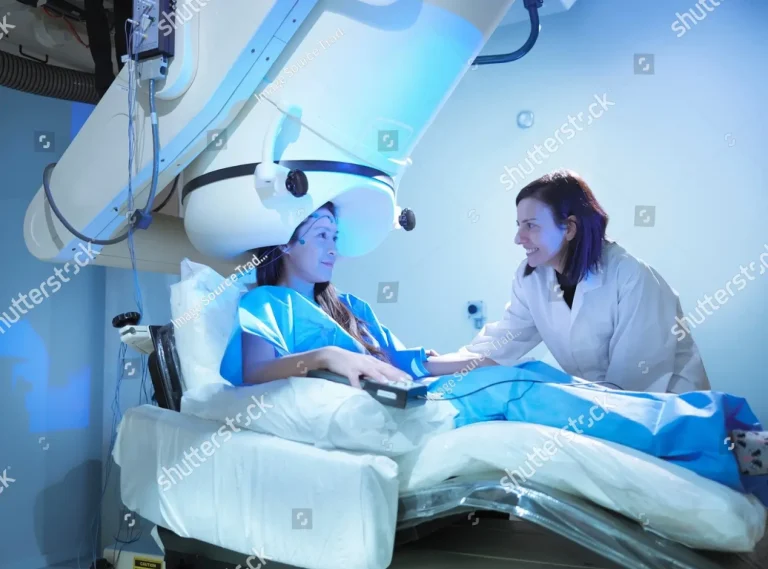
What is magnetoencephalography (MEG)?

A magnetoencephalography, or MEG, scan is a non-invasive test that maps magnetic fields produced by your brain’s electrical activity. A MEG scan shows areas of normal and abnormal activity to help with treatment planning, especially surgery.
Using a MEG scan, consultants can pinpoint the exact locations in the brain where seizures or other conditions occur. They can also identify areas to avoid during surgery, where important functions such as memory, language, muscle movements and the five senses are located.
Our neurosurgeons use MEG to plan more precise surgeries that target the treatment areas while avoiding healthy brain tissue.